Judith Geichman
Wiegala
September 17 - October 24
Wiegala
September 17 - October 24
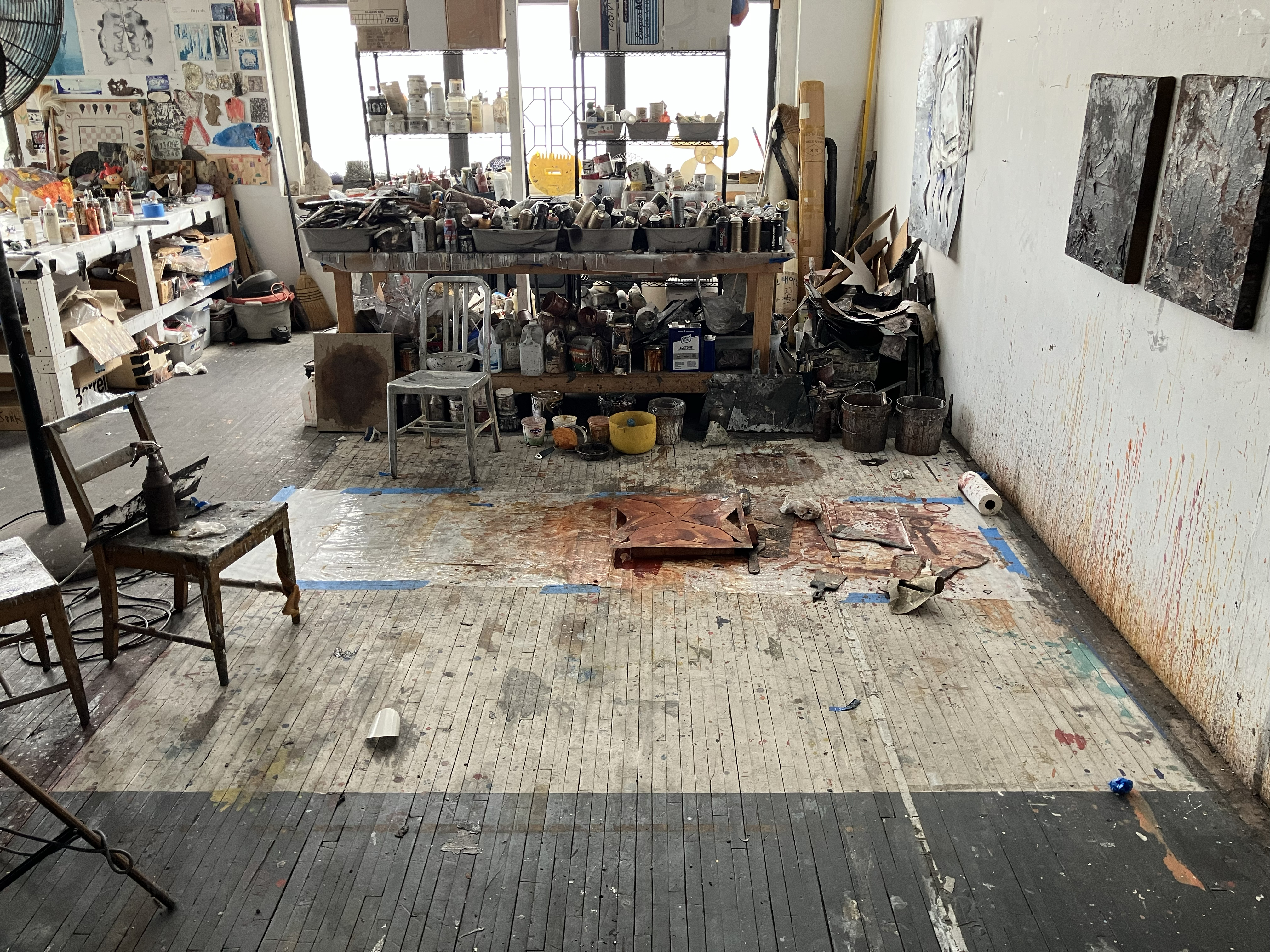
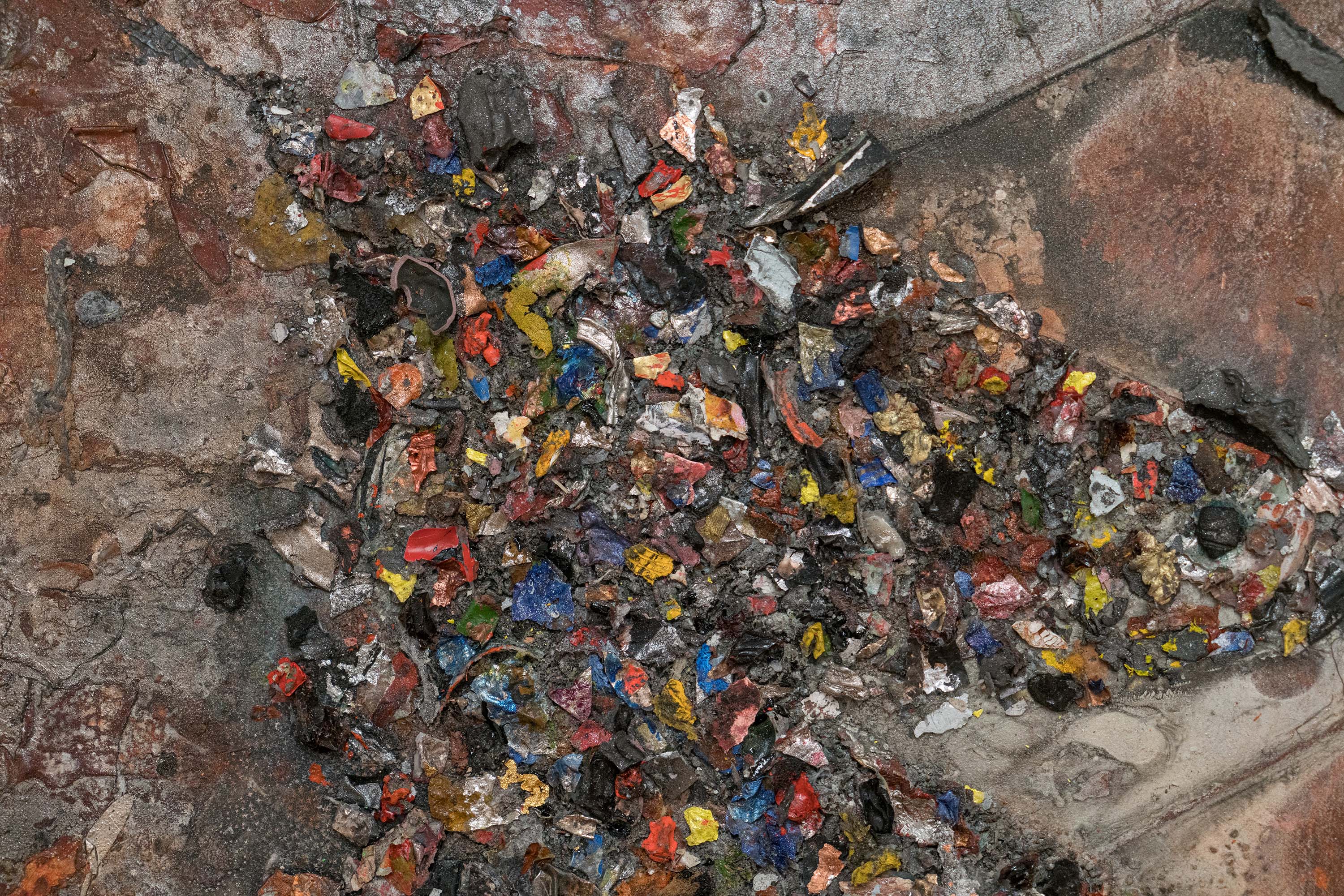
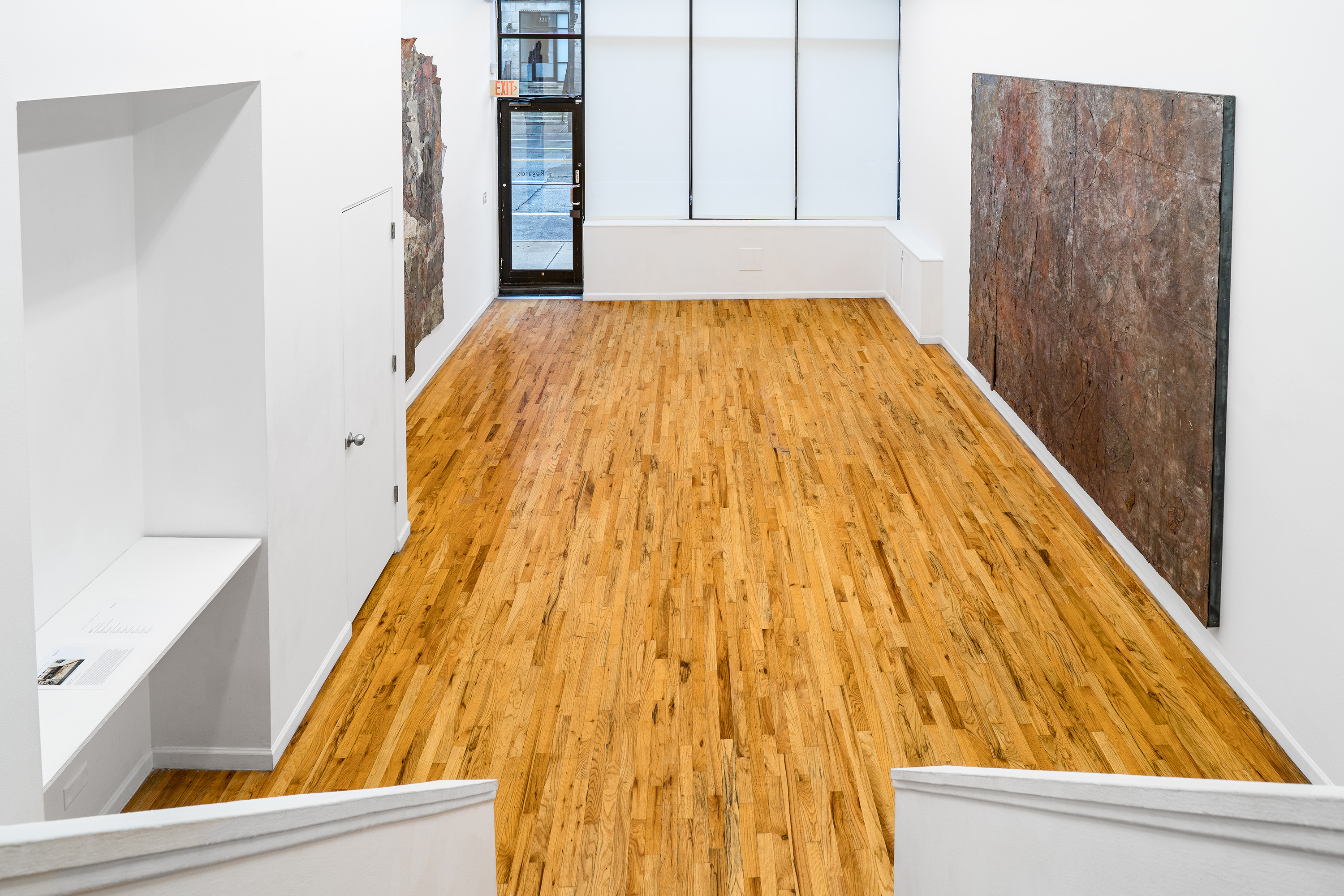
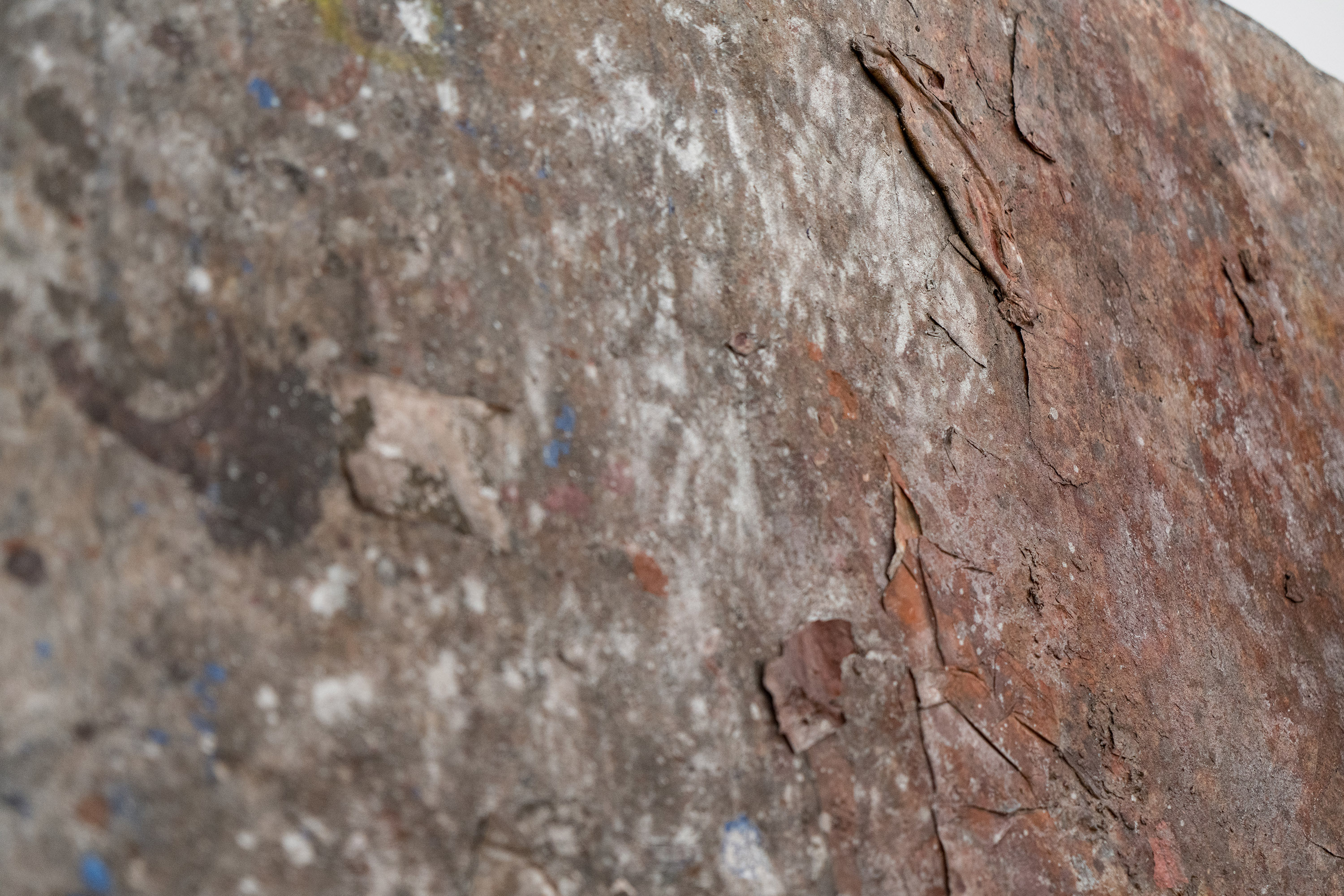
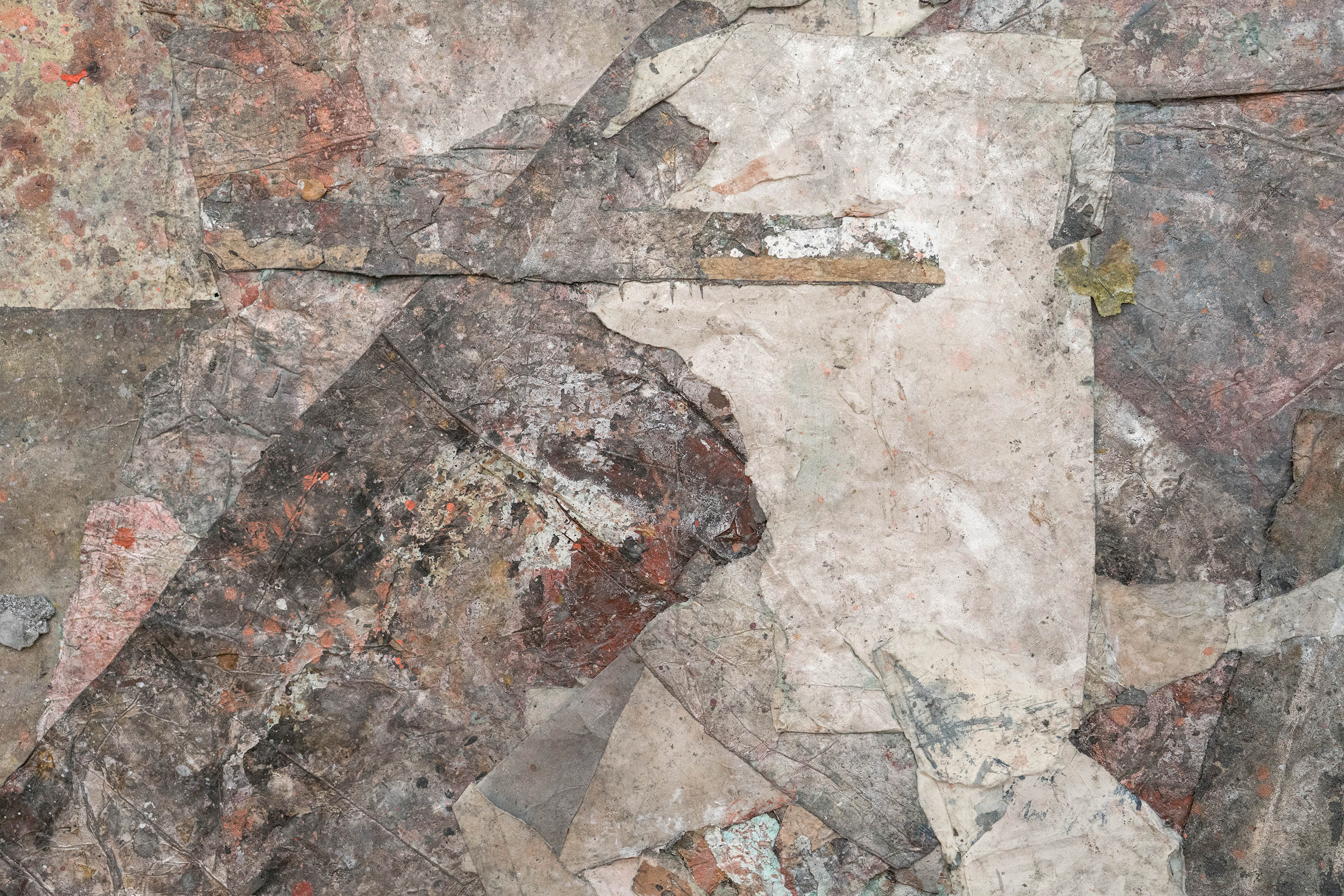
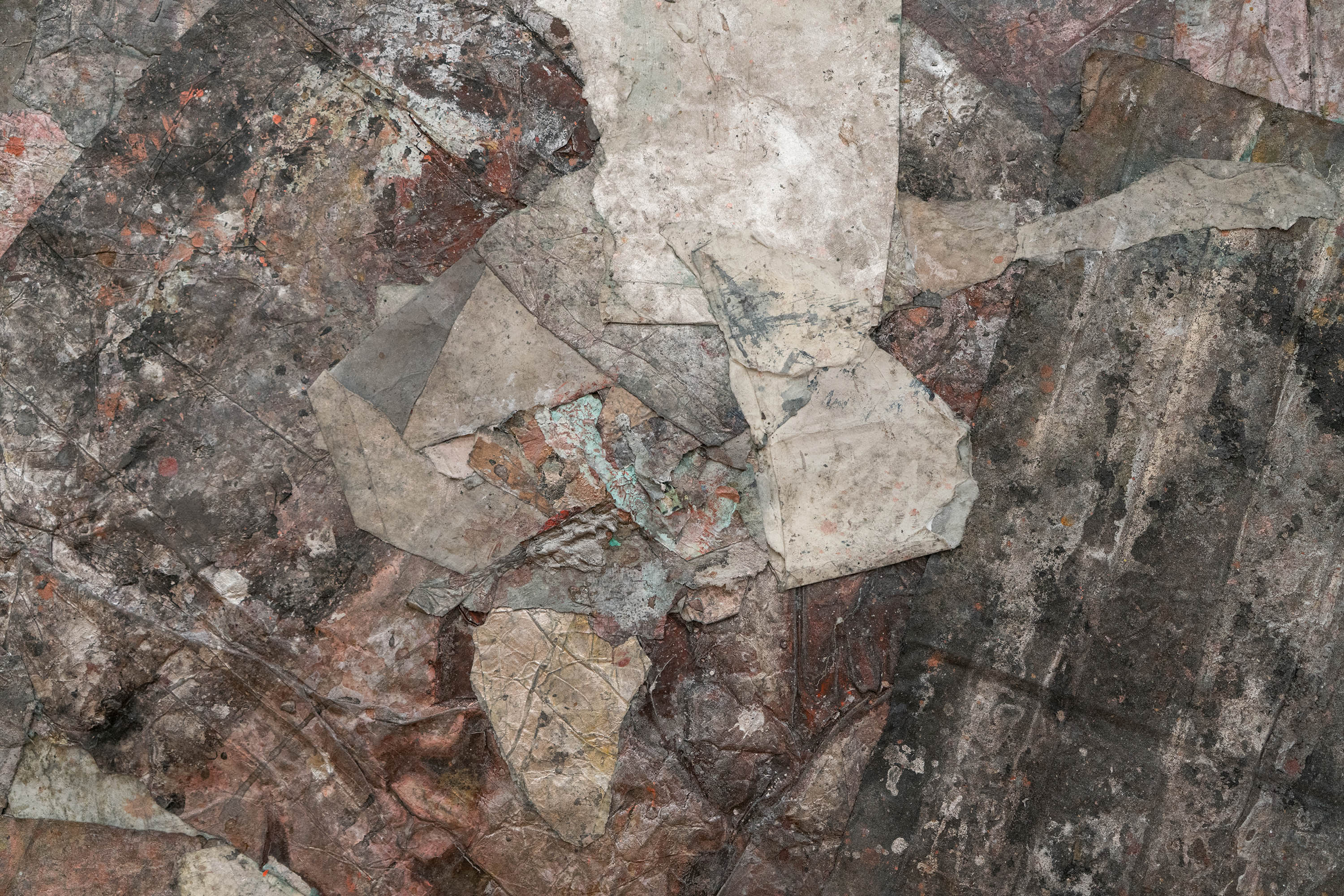
Judith Geichman’s latest exhibition at Regards is the next step in an ever deepening process, the logic of which continuously reveals itself to her within and between each new work. Across the last five years of her decades-long career, we’ve witnessed an acceleration in her exploration of intersecting methods like pouring, peeling, scraping, scrubbing, and scabbing together from the remnants of others. Even more recently, over the last 2 to 3 years, Geichman’s redeployment of large floor coverings as paintings has become central to her formulation of exhibitions. These pieces develop over years of receiving “countless random acts of painting” (drips, drops, sprays and pools from other paintings happening on top of them), only starting to become something that has “invited more intervention” as the demands that its surface place on her attention can no longer be denied. Such paintings are checked on over the course of years before returning to their jobs as floor coverings until the day they are ready to be actively finished. Architectural considerations have also taken on a stronger presence in her work through the scale and spacial disorientation these paintings inhabit, a notion indicated eloquently in the title of her 2024 exhibition, The Floor, The Wall, The Space In Between. Her new exhibition takes its title from the latest of Geichman’s massive floor-covering paintings, Wiegala. Nine years in the making, its size (8 x 12 feet) was determined by a single tarp to which she attached smaller sections of other floor coverings along with scabs of paint and scraps of paper.
Beyond their outsize physical presence, the centrality of these works within Geichman’s practice is owed just as much to the duration of their making and the web-like function they perform relative to the becoming of many other works. Its a wildly unique trajectory for a single painting to undertake. In the case of Wiegala, Geichman not only made allowances for the indirectly authored materials to guide the work, she also welcomed the influence of a piece of music. Through a chance encounter while listening to WFMT on her way to the studio shortly after she’d begun nurturing this unintentional accumulation into a painting, Geichman was introduced to a piece of music called Wiegala. Wiegala is a lullaby by the composer Ilse Weber. Geichman soon found herself only listening to various versions of this song, creating a soundtrack that shares with the painting a sense of doing and redoing. As her curiosity soon led her to discover, this beautiful piece of music was written for the soothing of children Weber was caring for as a prisoner in a Nazi concentration camp. Weber produced many more pieces of music and poetry during this horrific time before she was ultimately murdered. The music survives today thanks to Weber’s husband, Willie, who collected and buried his wife’s work, later returning to retrieve it after the war ended. Geichman listened to variations of this piece exclusively as she completed the painting, stating that the song “inspired my working through the many challenges that are inherent in making one’s work. I thought about Ilse Weber, her life as an artist, her death, her strength and will to be able to make her work under such extreme conditions.” The painting became a meditation on fear, loss, perseverance, and power, providing Geichman with an opportunity to engage with art’s ability to provide a sense of interior peace and freedom, and resistance to devastating external forces.
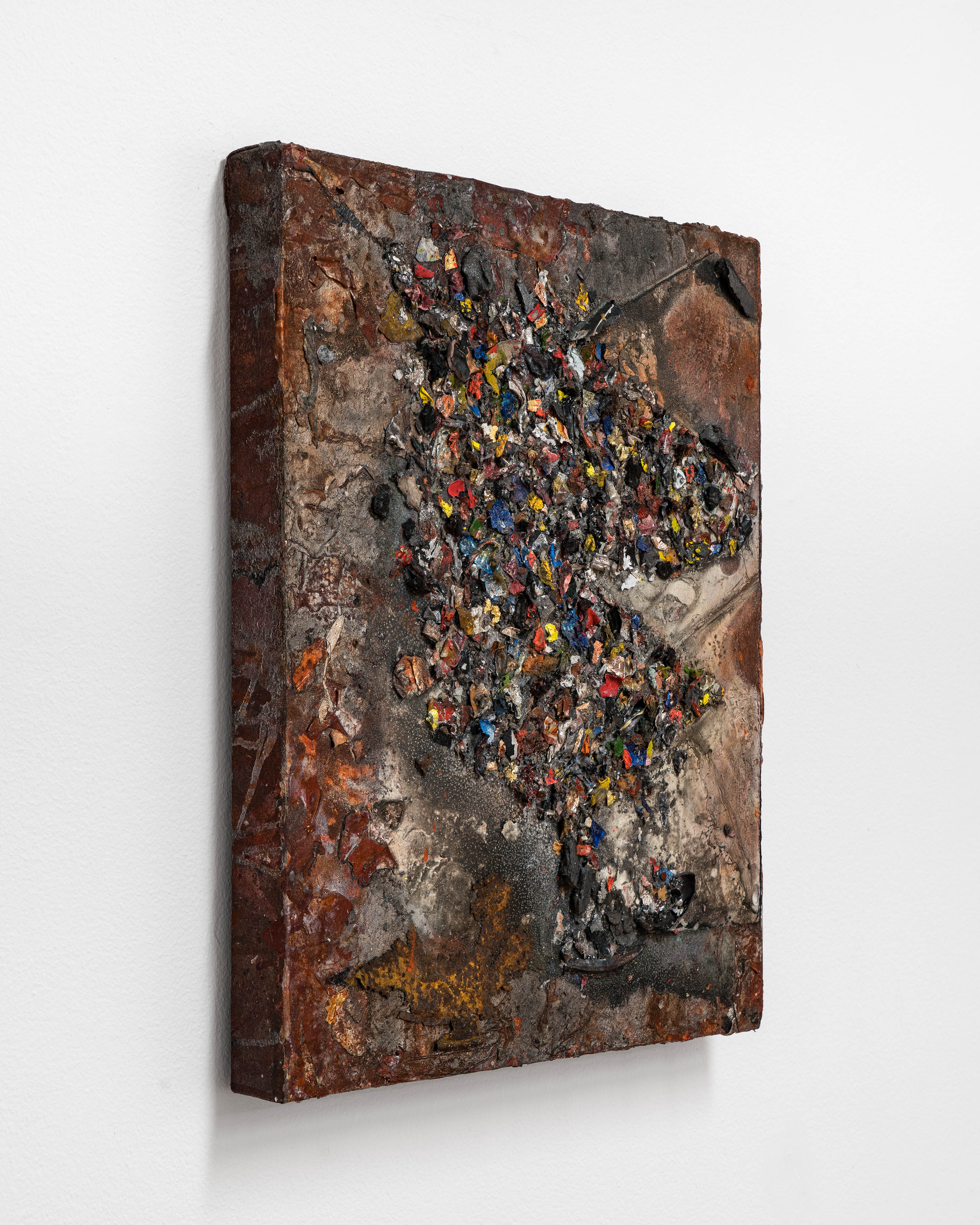
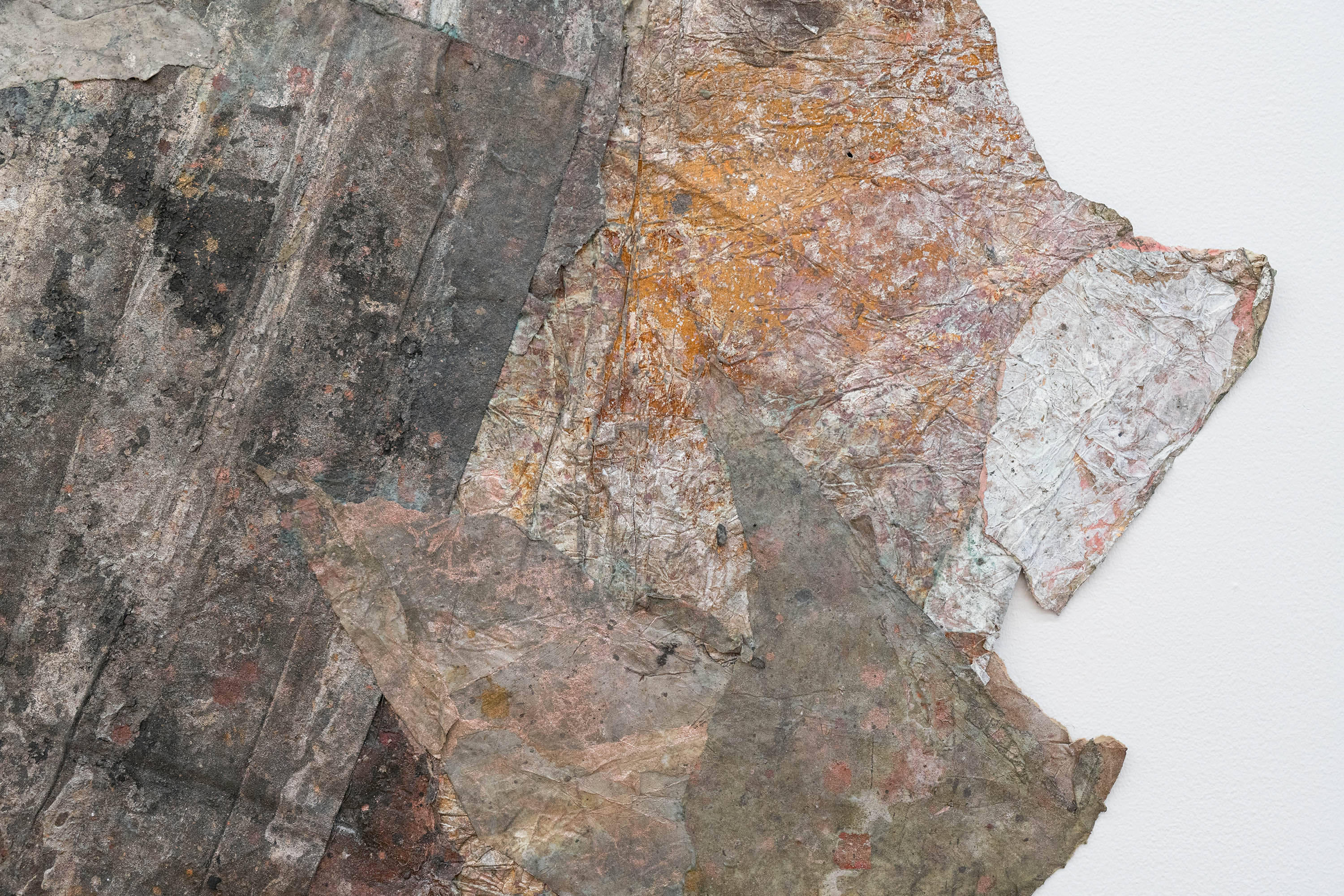
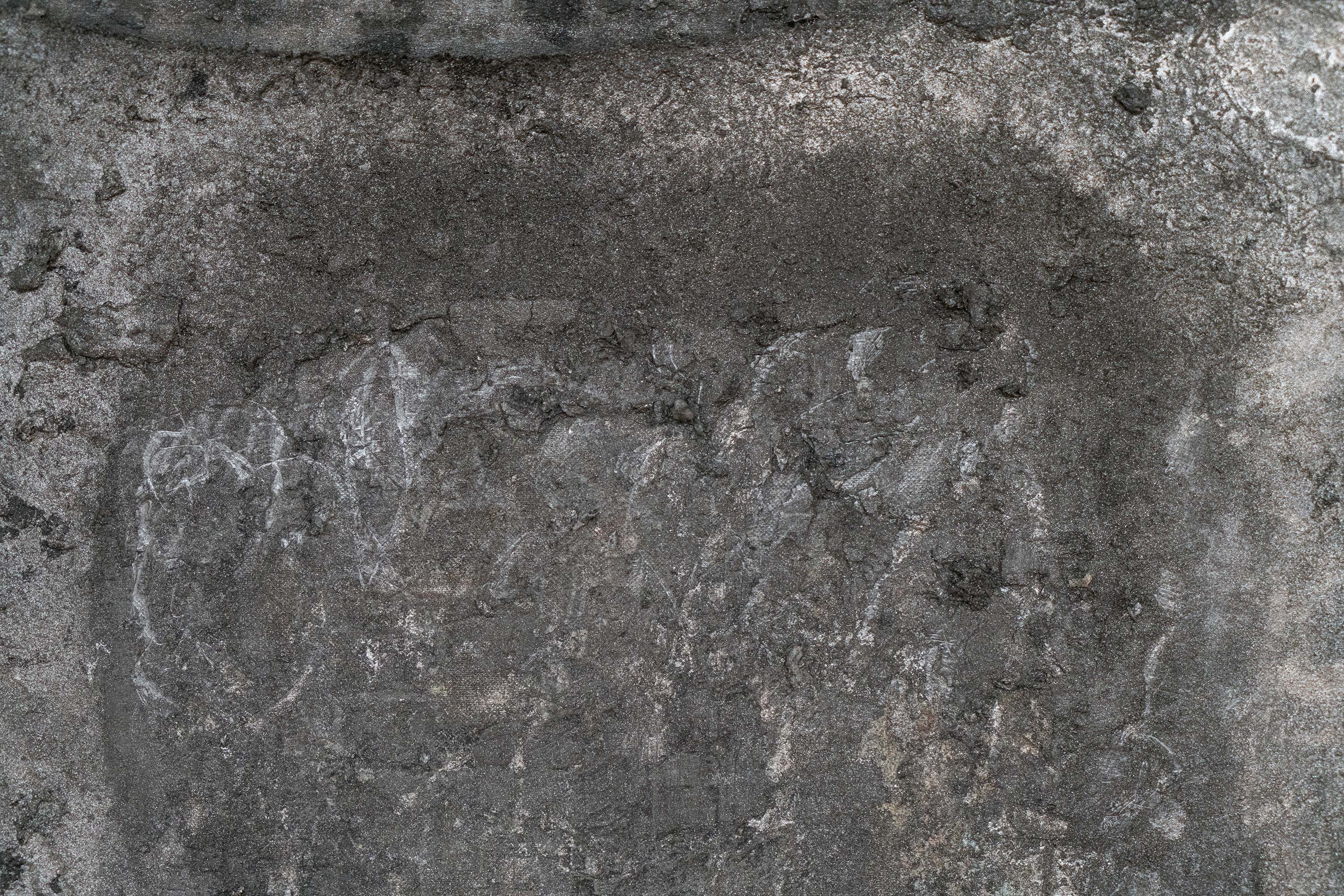
The other works in the show take advantage of Wiegala’s gravity, while also pulling away and offering their own challenging insights into the experience of making and viewing paintings. Owing it’s origins to the floor, another large piece opts for the direct-to-the-wall approach (Wiegala is actually mounted to panels with a steel frame, a strategy she has used only once before.) In fact, this work—a large amalgamation of sections and scabs removed from various other works—is completely unmounted with its surface components collectively constituting its substrate. Never one to cede control to a conceptual rubric, this painting made of other paintings also received other applications of material that helped guide it into its final state. For the smaller scale works on panel and linen that populate the show, we are offered a far wider spectrum of density than previous bodies of work: from a smudgy, barely there exposure of panel to a canvas so heavy with a dark and rocky compositional wasteland that it looks as if it was excised from a neglected street with a concrete saw. Eschewing any attempt to match the enveloping nature of their larger brethren, Geichman deploys a more focused, intimate approach to these works that is reflected in the experience of viewing them. No matter the size or material choices, each piece in her exhibition strengthens the total endeavor while also serving as its own distinct example of Geichman’s relentless appetite to thrust uncertainty upon her herself and her audience through painterly experimentation.
Judith Geichman (b.1944), lives and works in Chicago. She attended Ohio State University, and received her MFA from The School of the Art Institute of Chicago in 1978. Upcoming and previous exhibitions include Museum of Contemporary Art, Chicago; University Club of Chicago; Regards, Chicago; The Green Gallery, Milwaukee; The Suburban, Milwaukee; The Spertus Museum, Chicago; Hyde Park Art Center, Chicago; Artemisia Gallery, Chicago; Rowley Kennerk Gallery, Chicago; Rockford Art Museum; Chicago Cultural Center; Randolph Street Gallery, Chicago; and Julius Caesar, Chicago amongst many others. She is the recipient of a 2023 Foundation for Contemporary Arts Grants to Artists Award, two National Endowment for the Arts Awards, and the Margaret Kelmek Phillips Grant. Residencies include the Dora Mara House (Menerbes, France); Gilfelag Residency (Akureyri, Iceland); Visiting Artist, The American Academy in Rome. Recent acquisitions include the Art Institute of Chicago, University of Chicago Booth School of Business, Museum of Contemporary Art Chicago, and the University Club of Chicago.
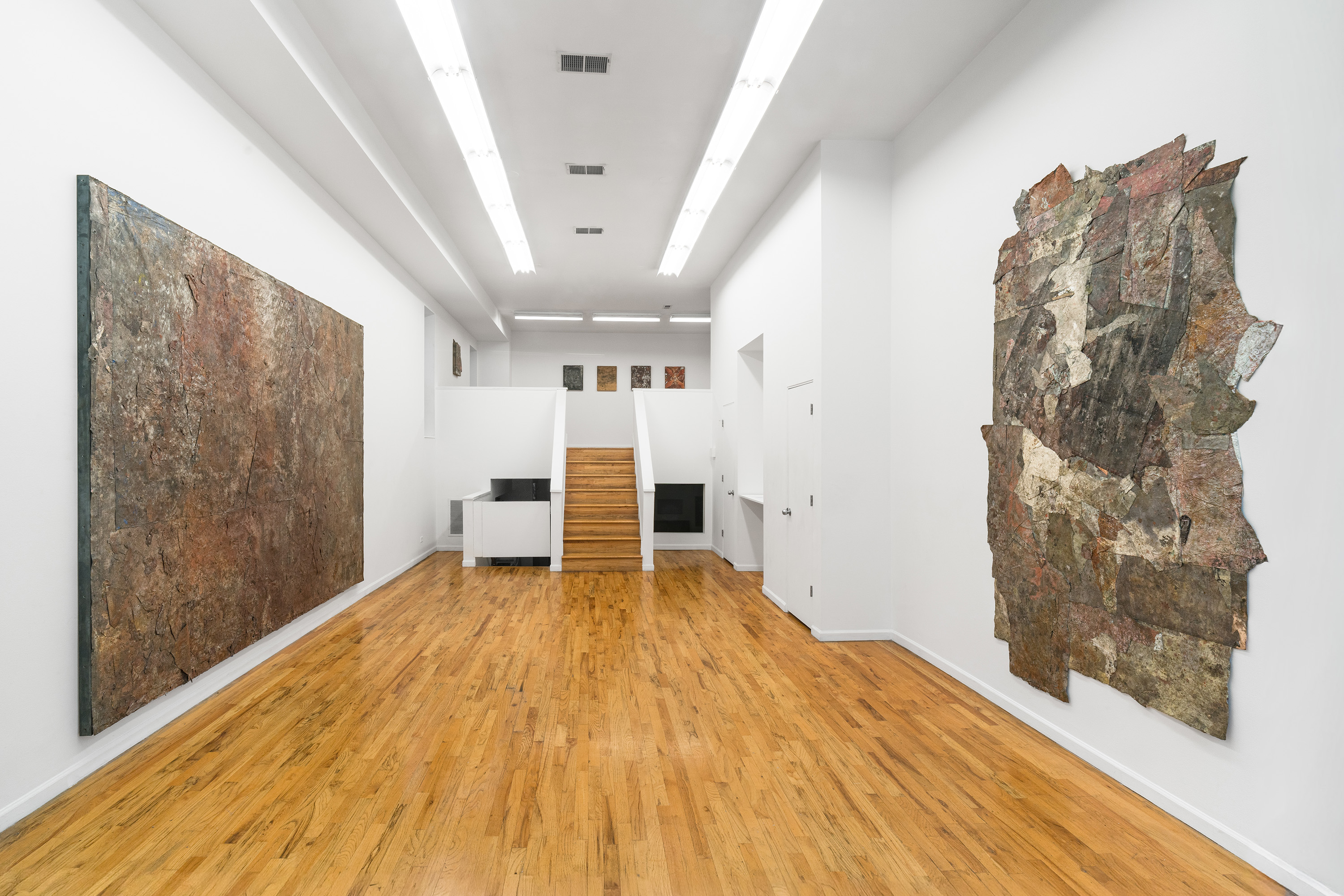
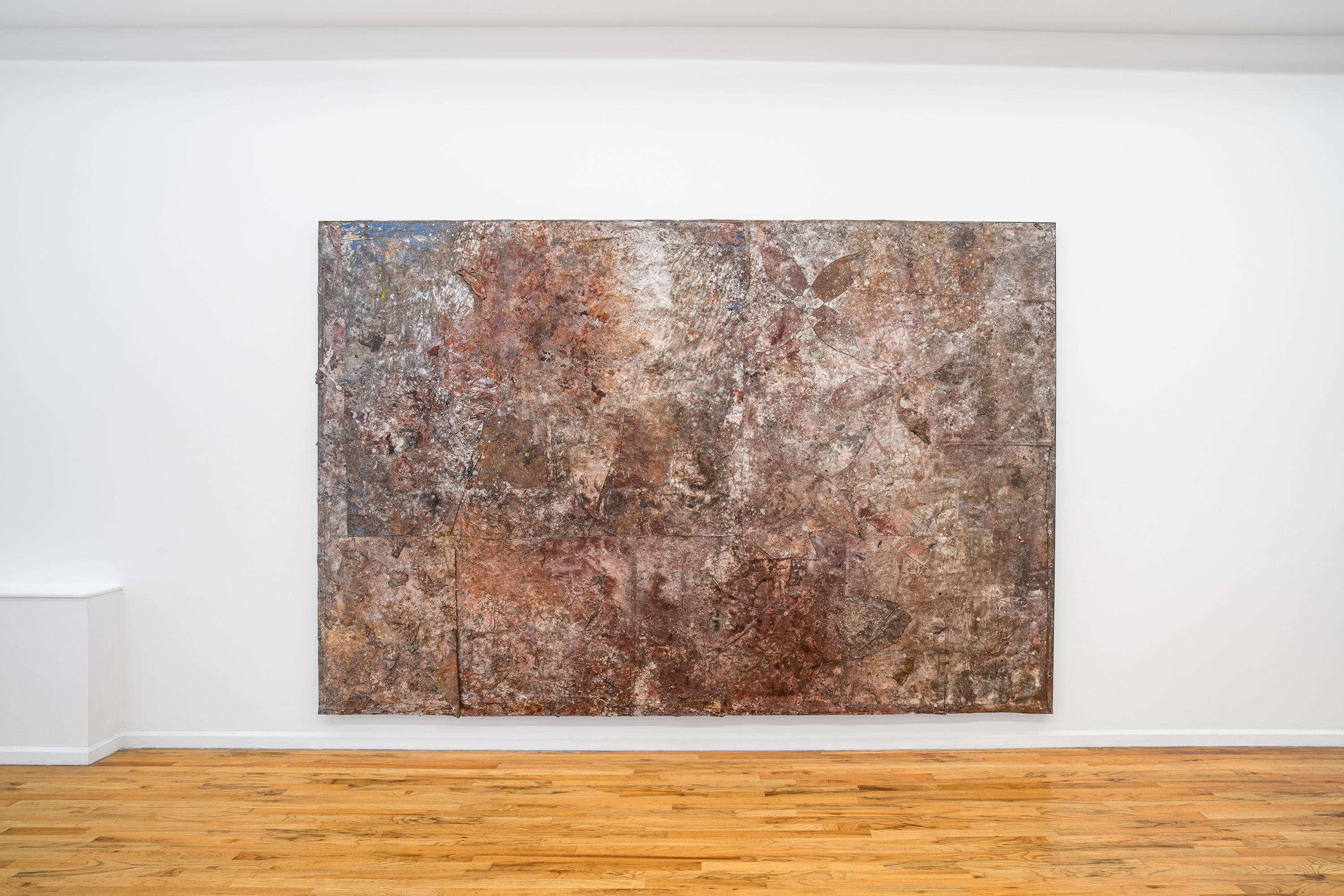
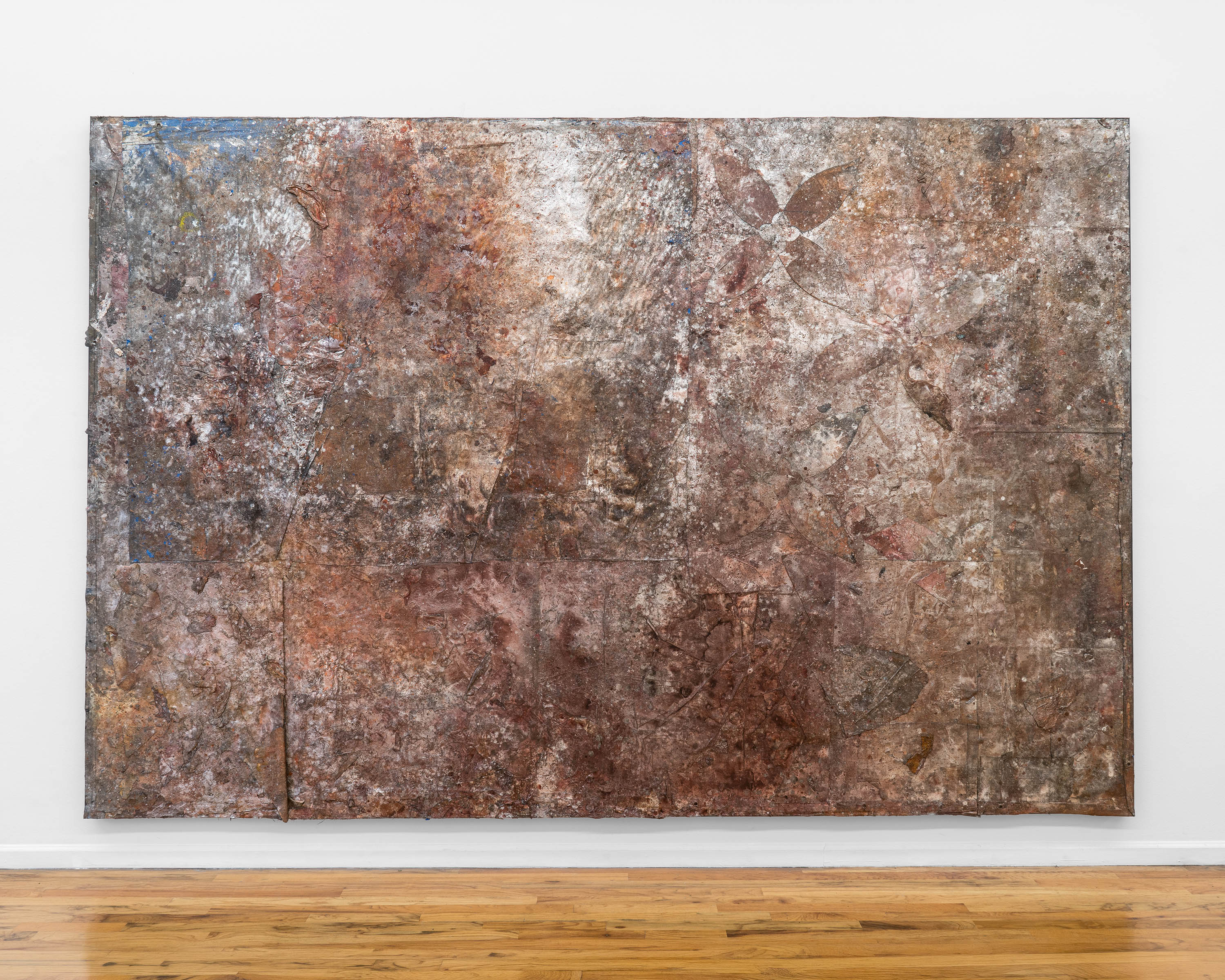
Wiegala, 2026, mixed media on tarp and panel with steel frame, 96 x 144 inches

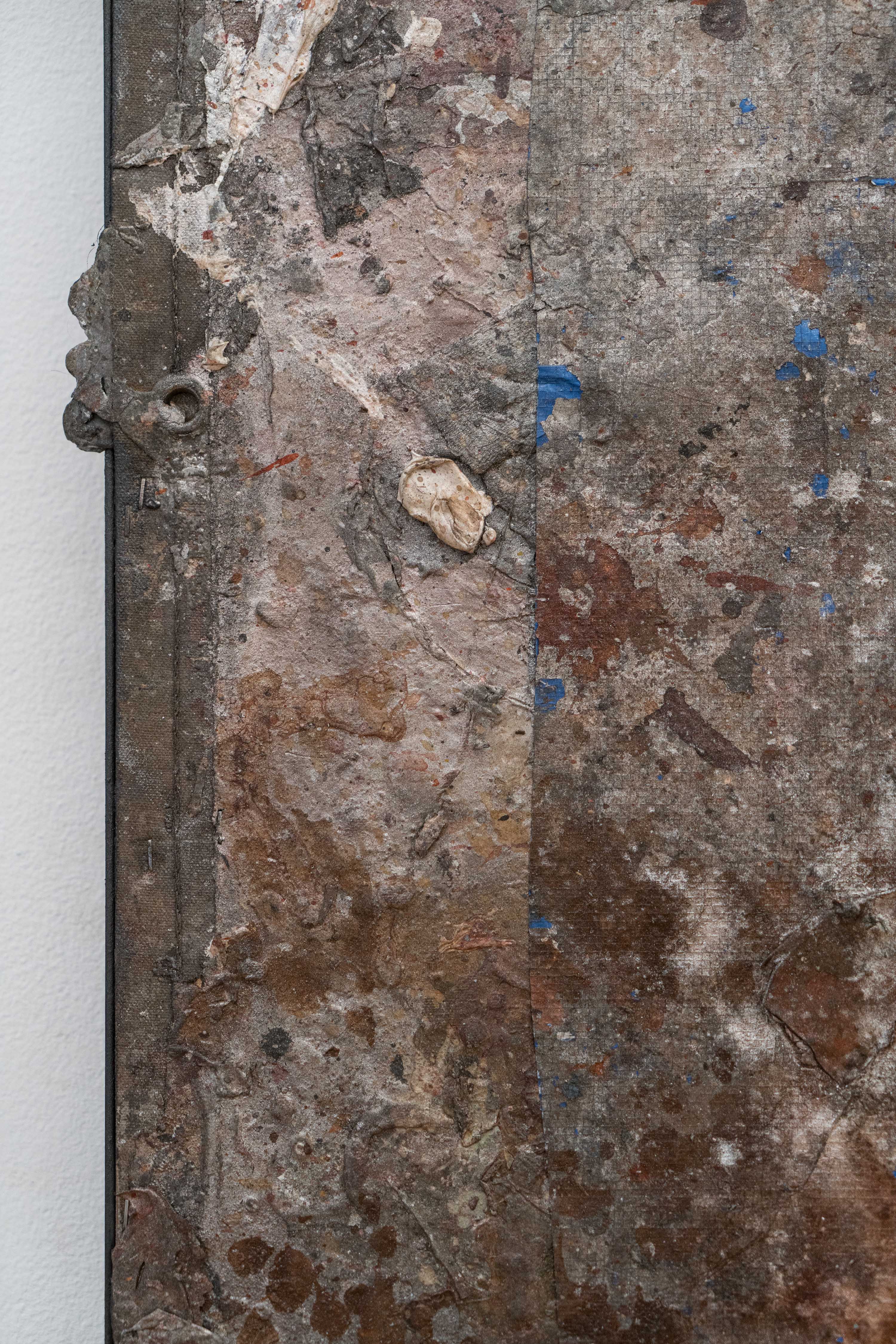
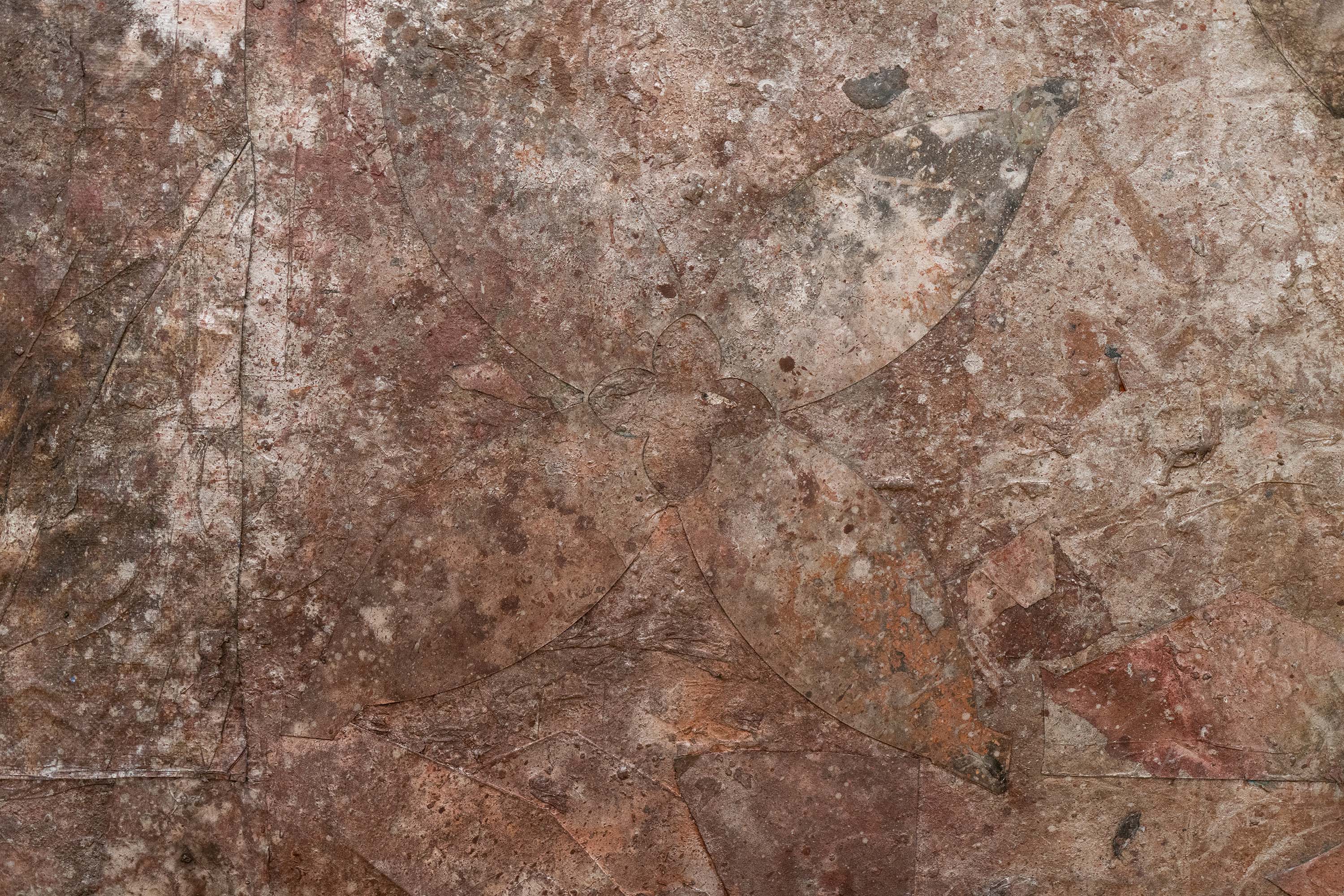
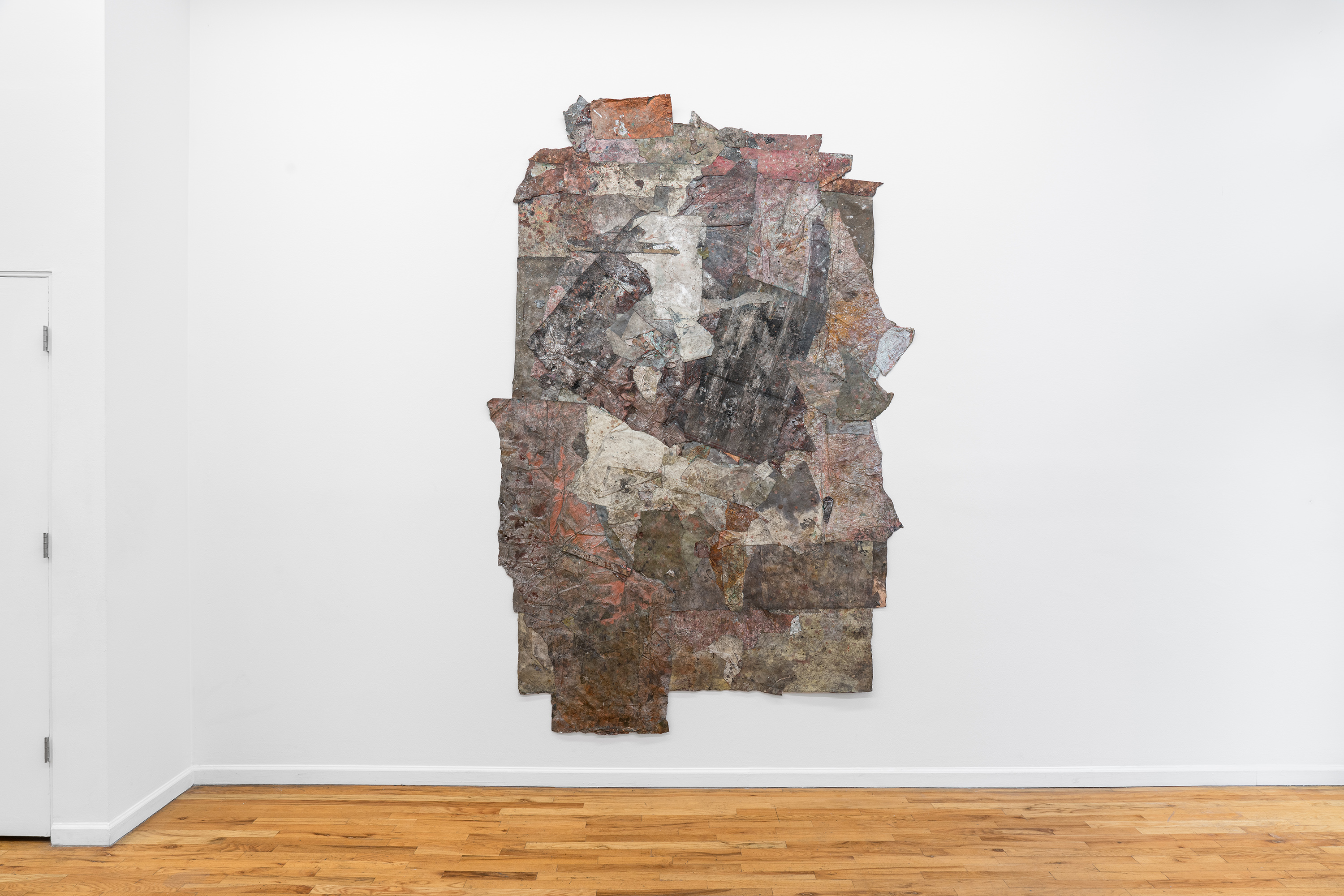
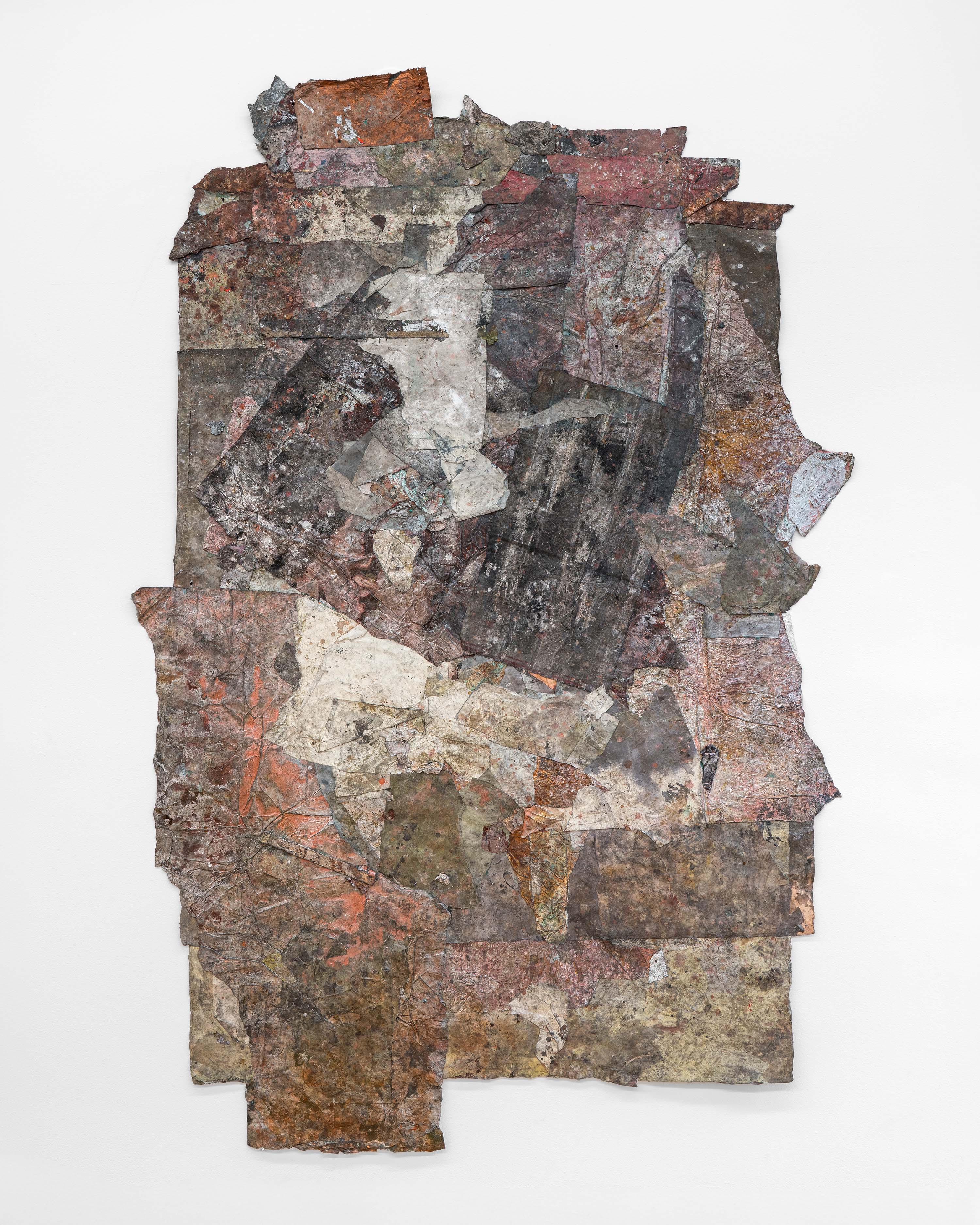
Untitled, 2026, mixed media on paper, 106 x 71 inches

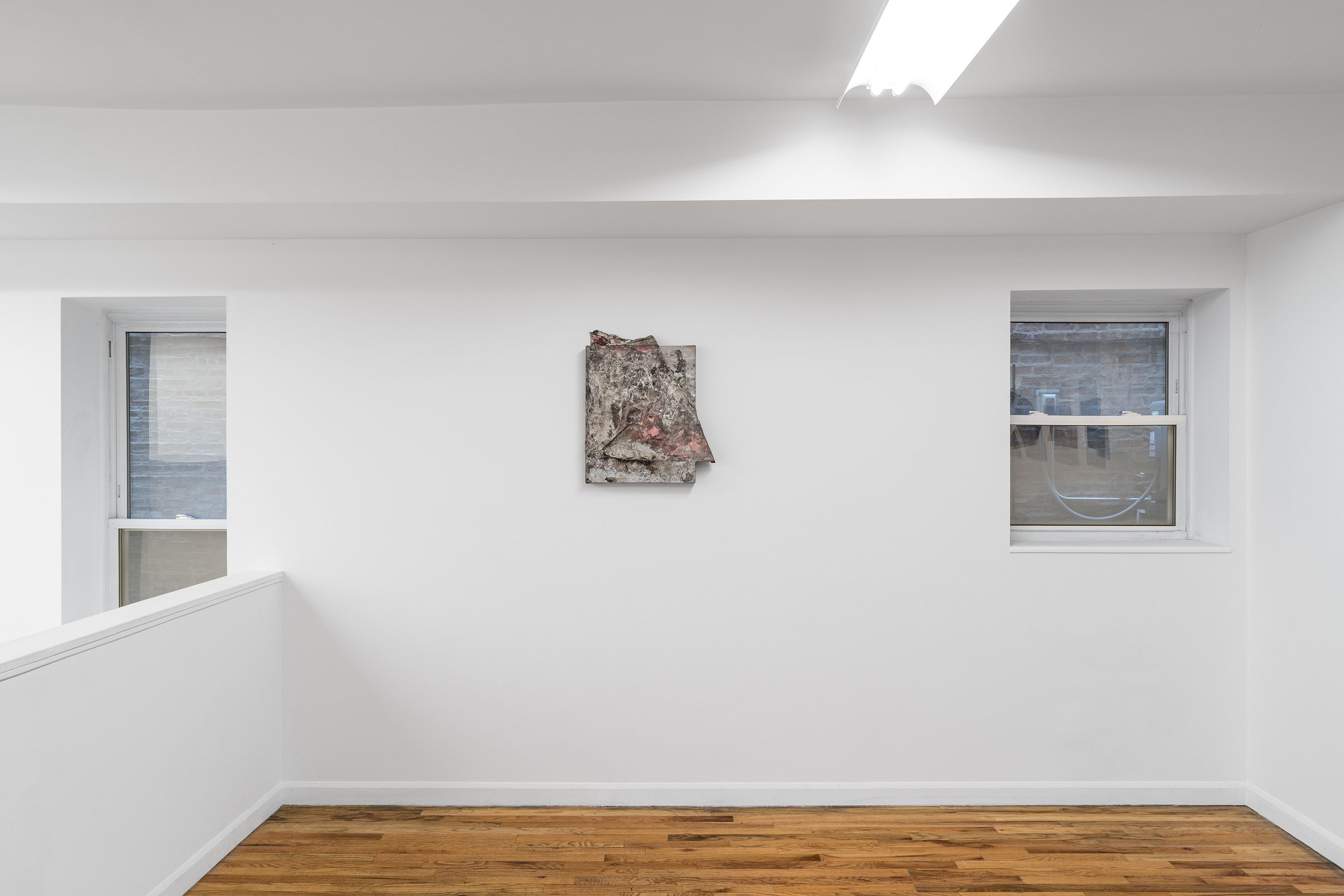
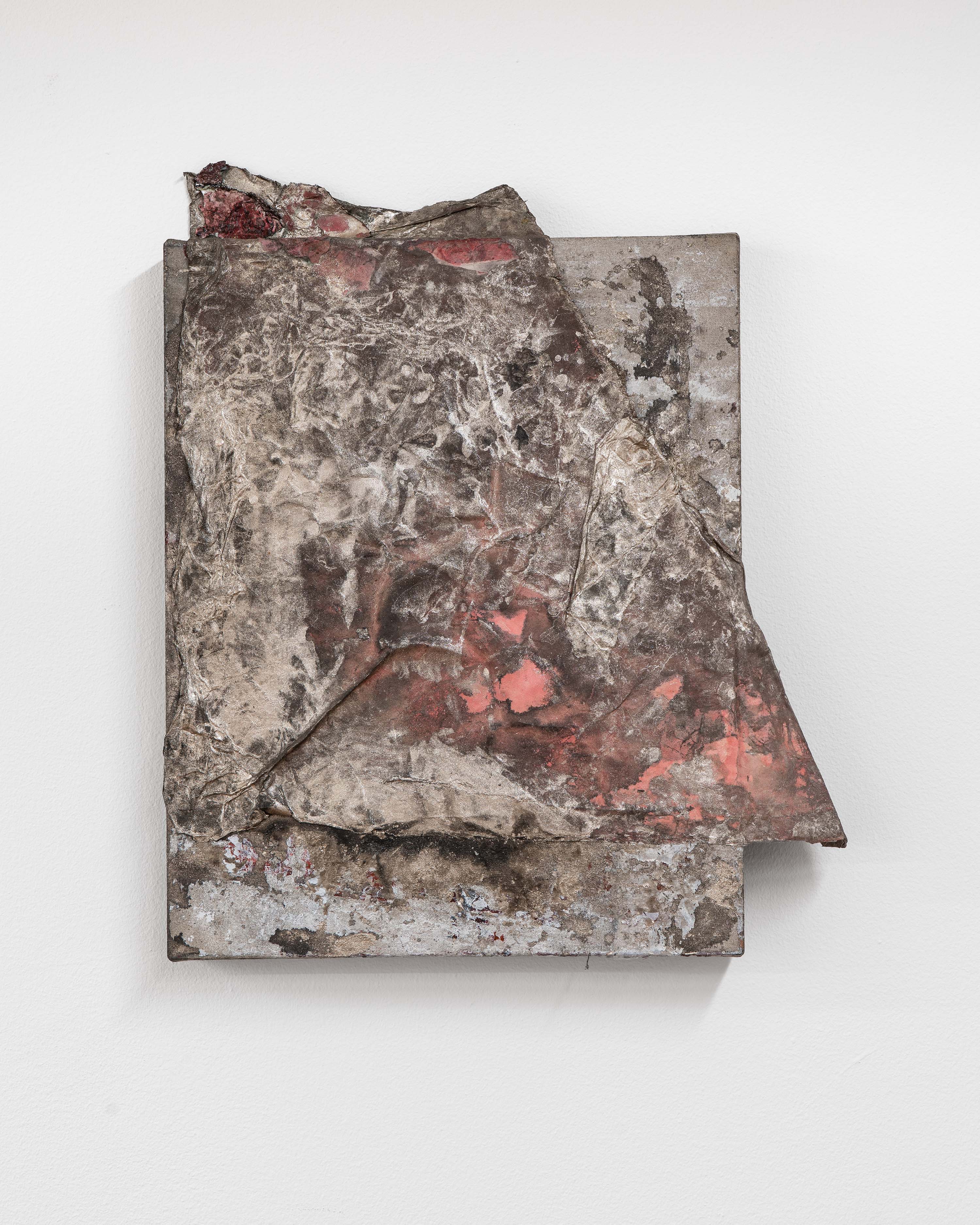
Untitled, 2026, mixed media on linen, 20 x 16 inches
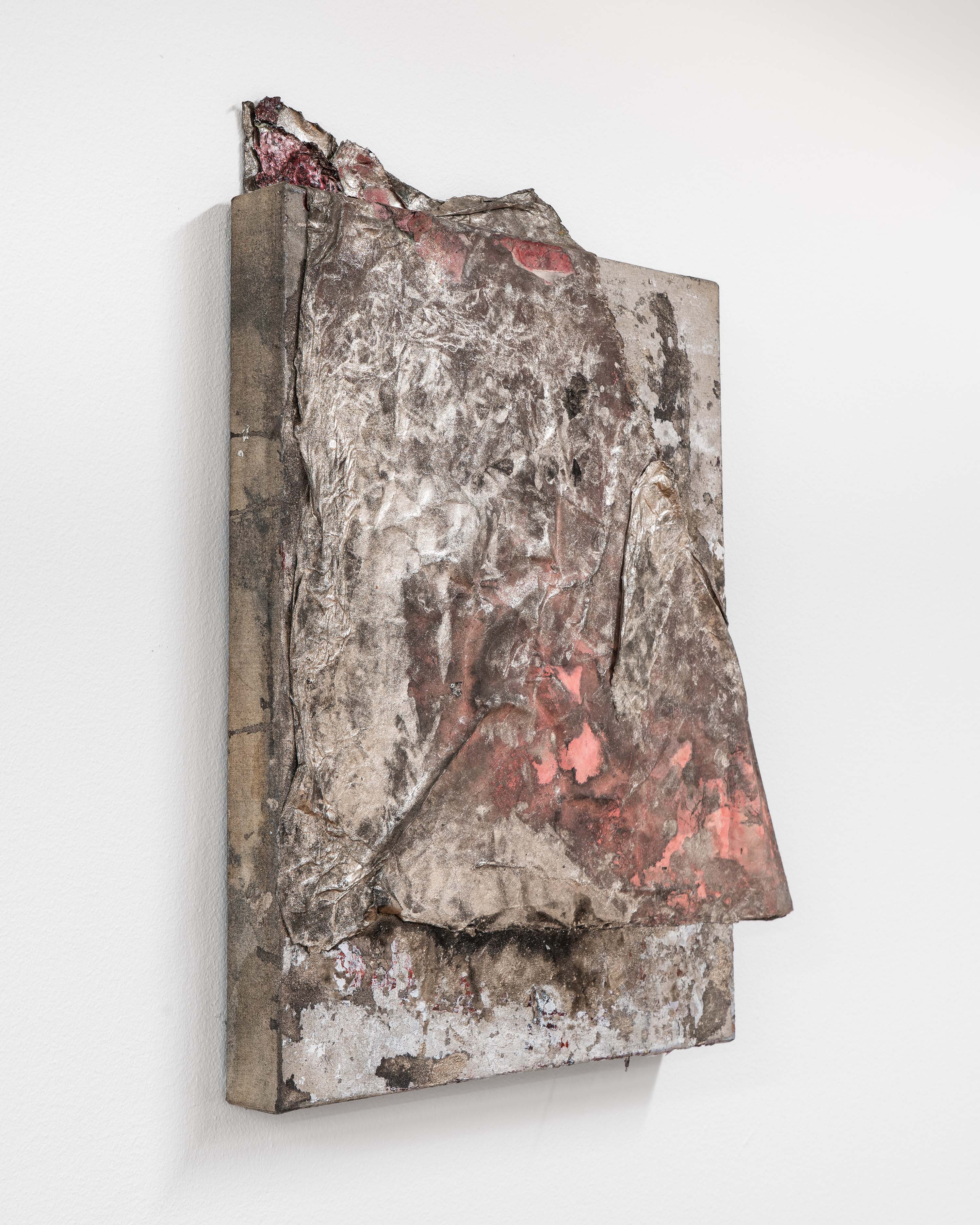
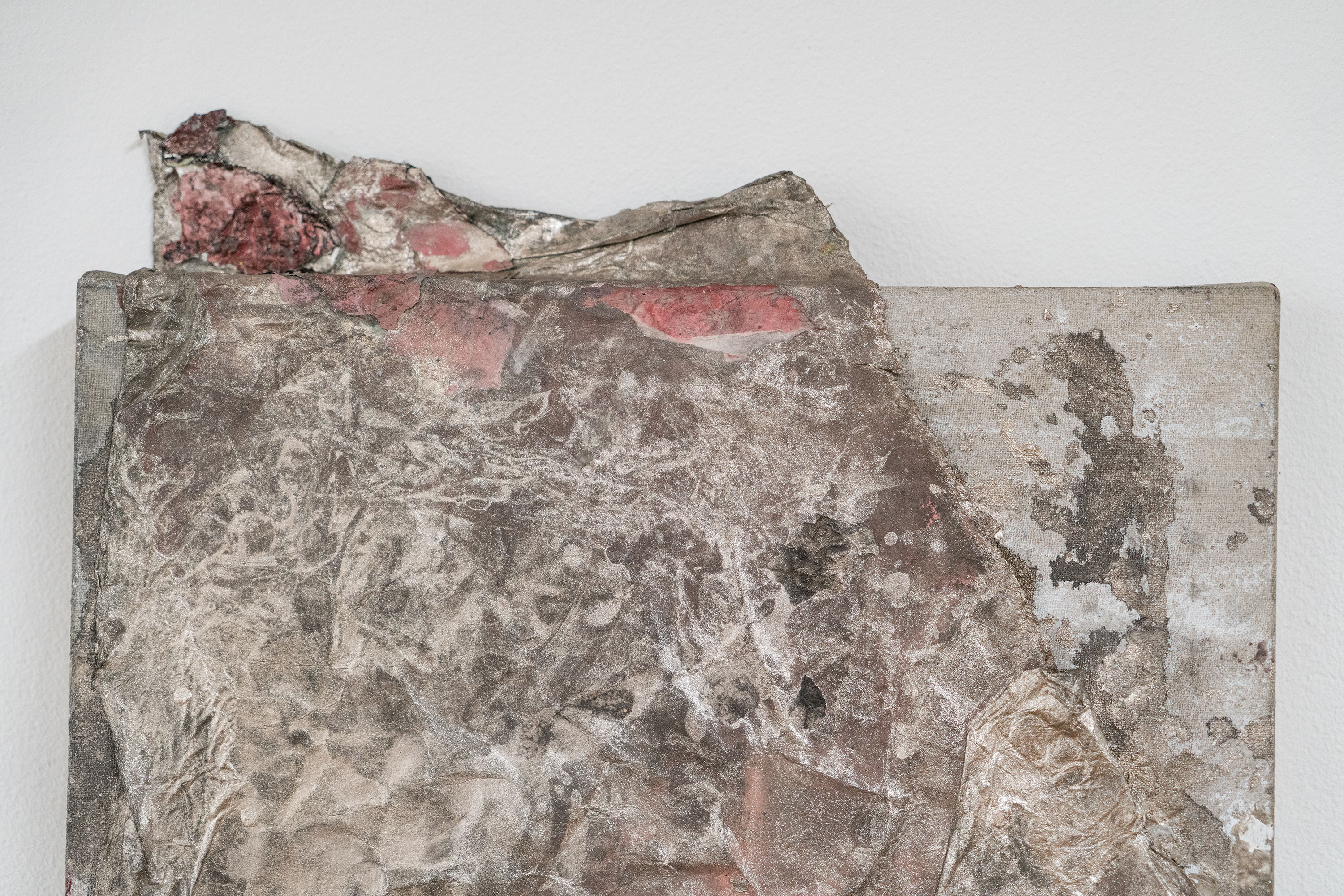
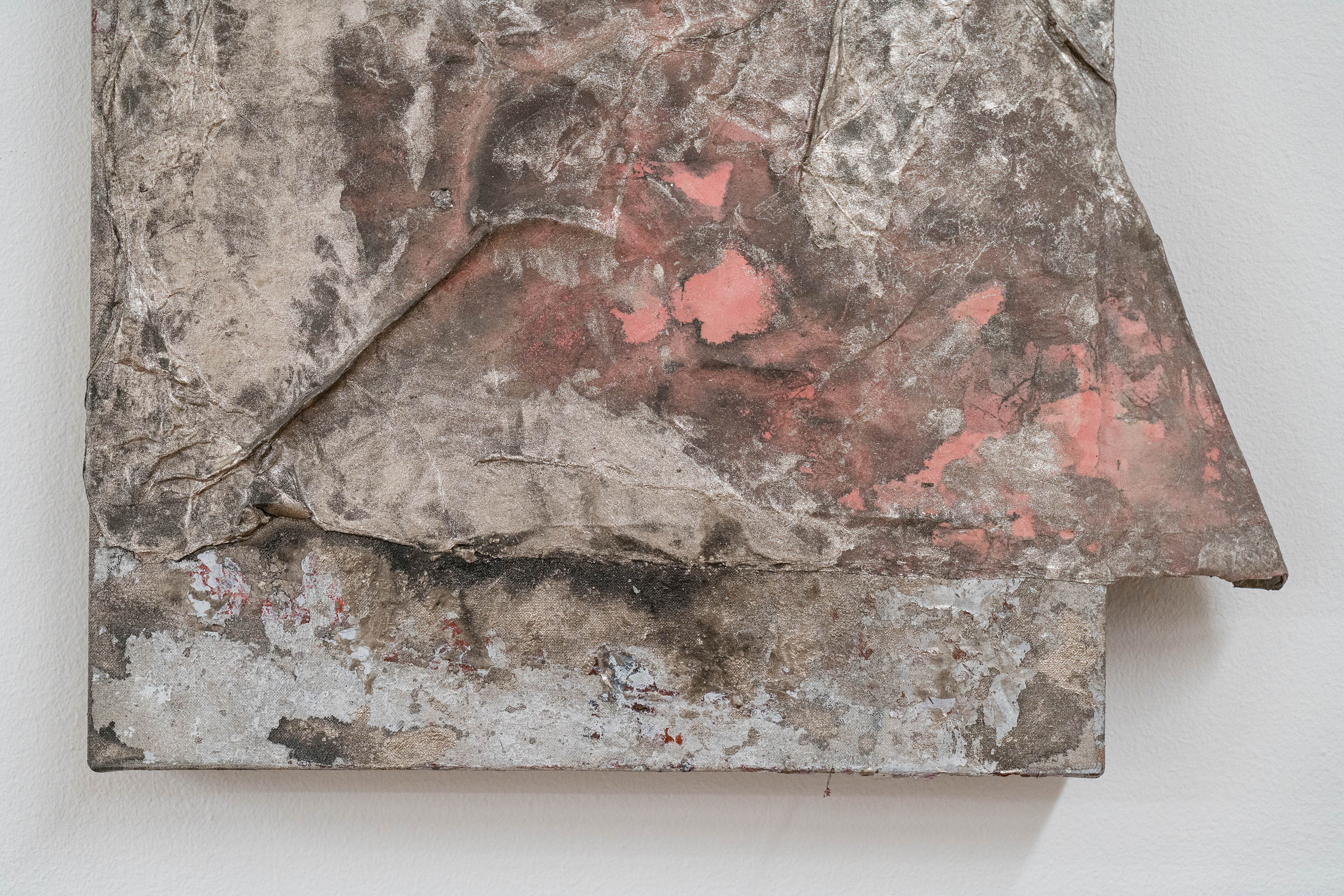
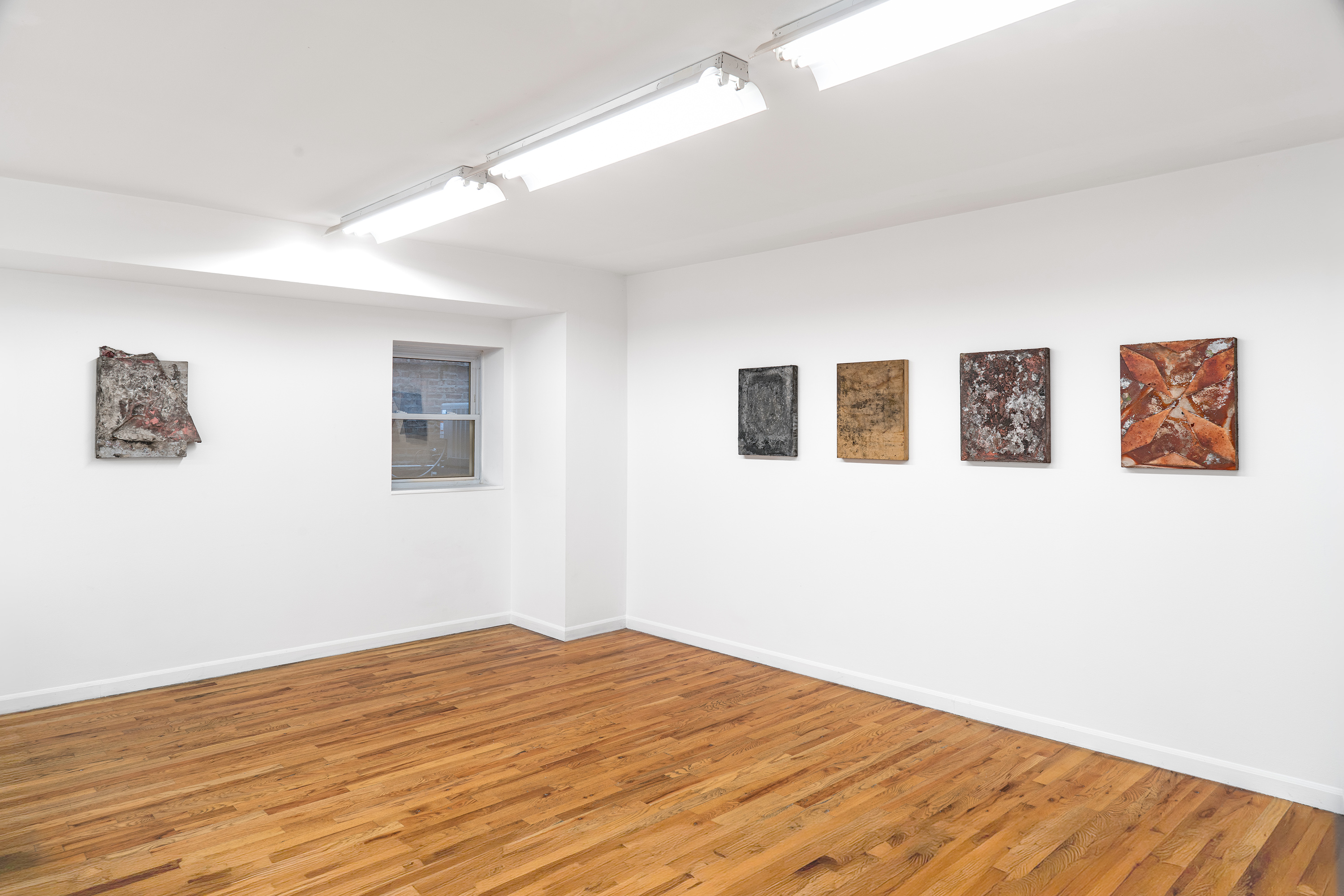
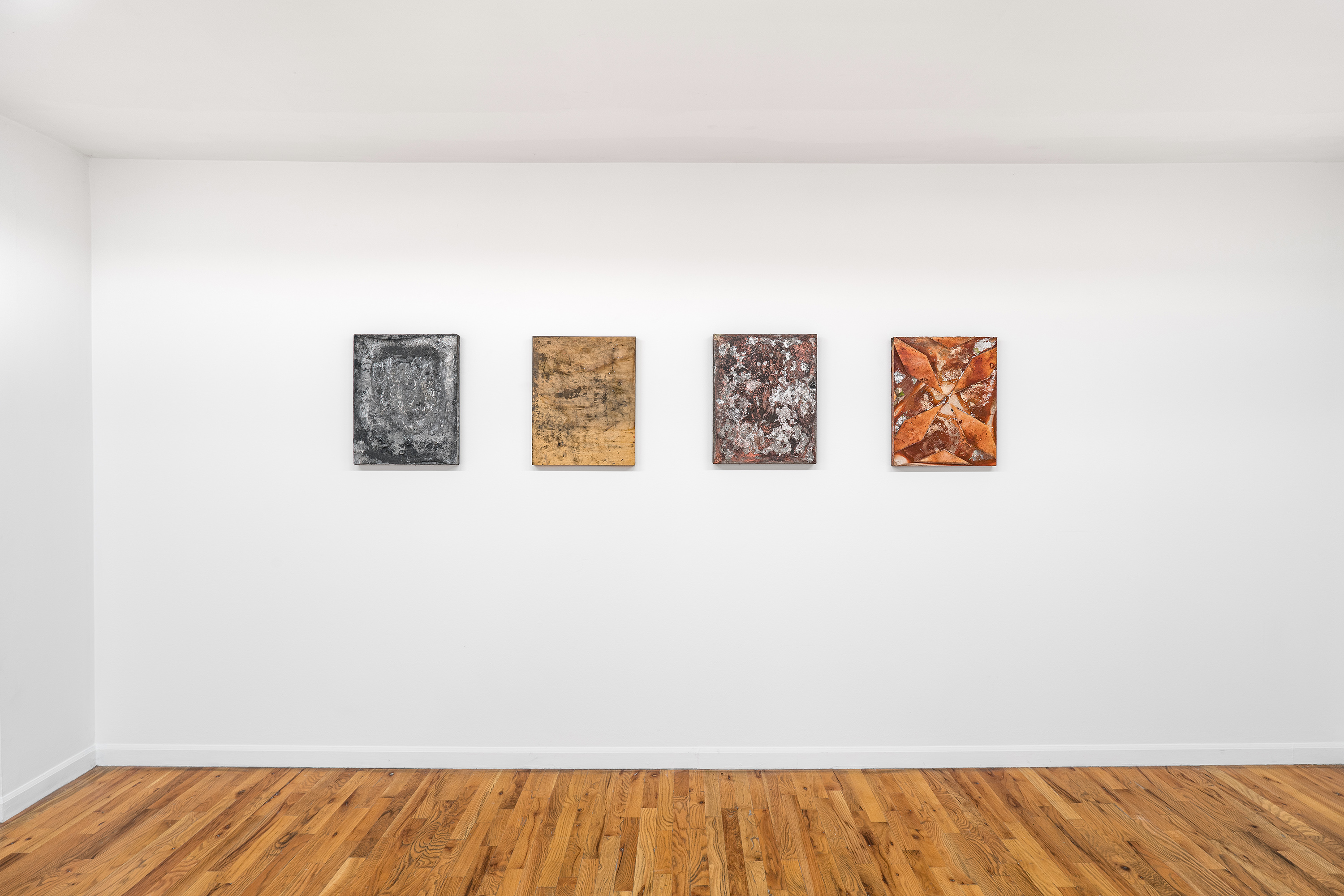
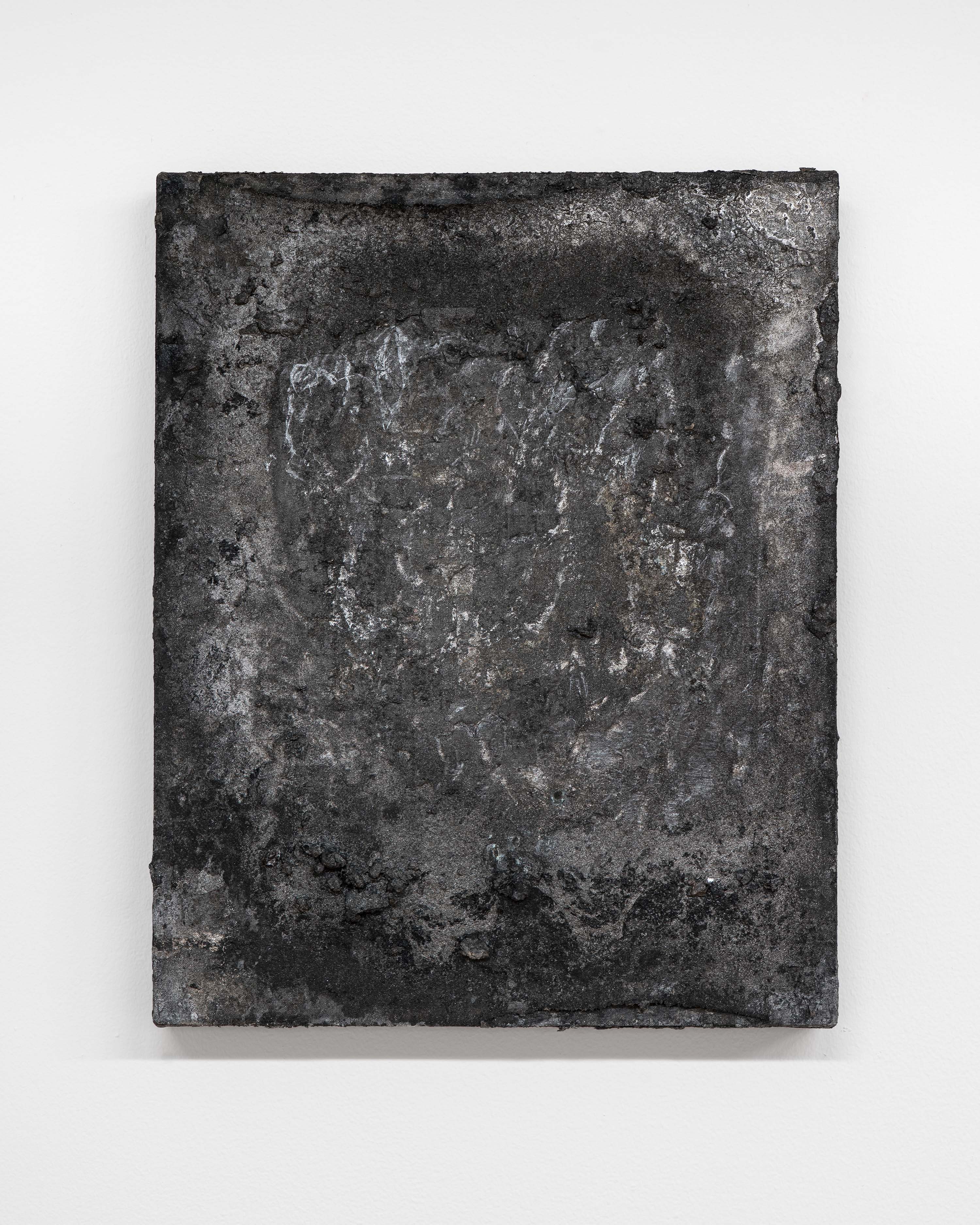
Untitled, 2026, mixed media on canvas, 20 x 16 inches
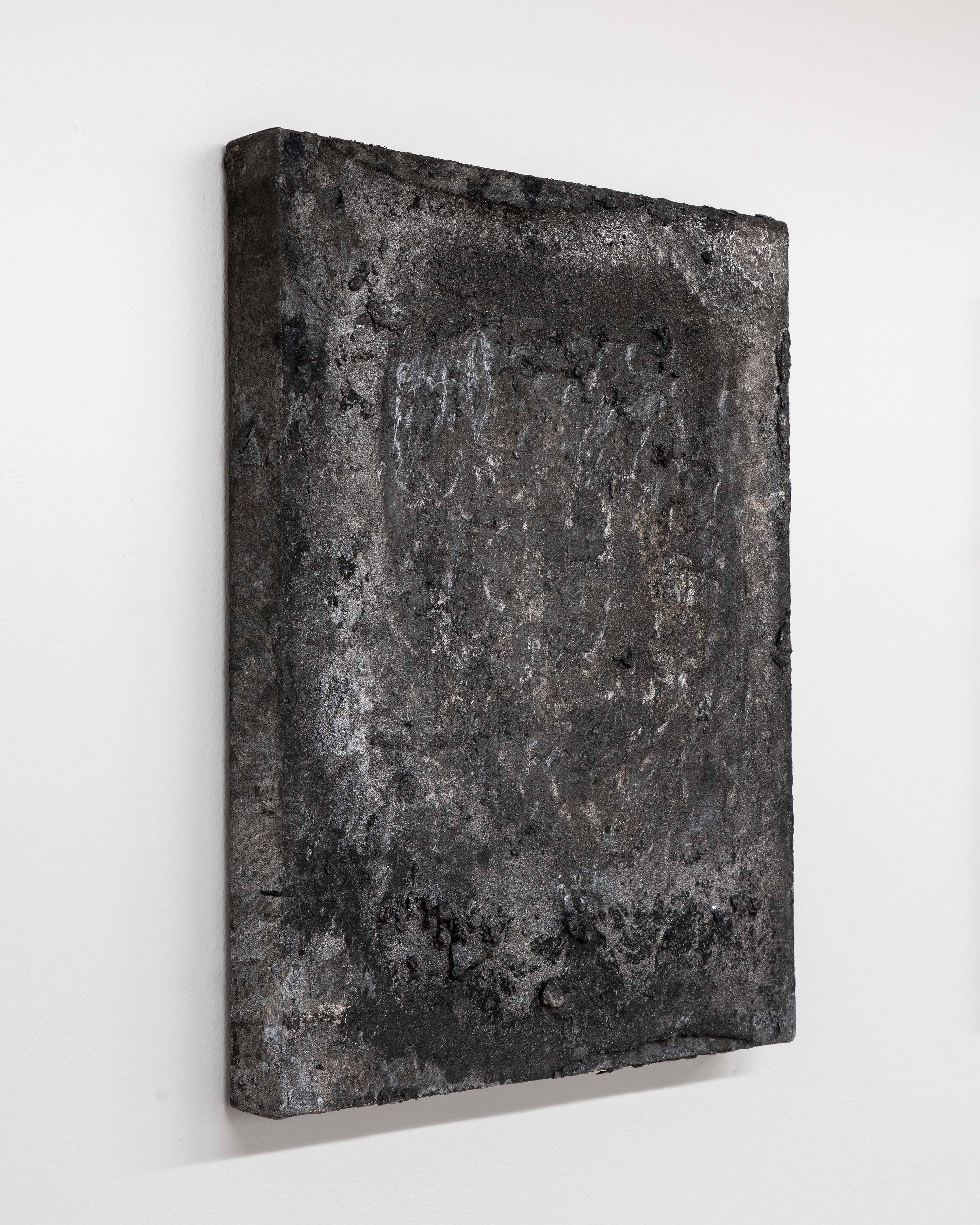
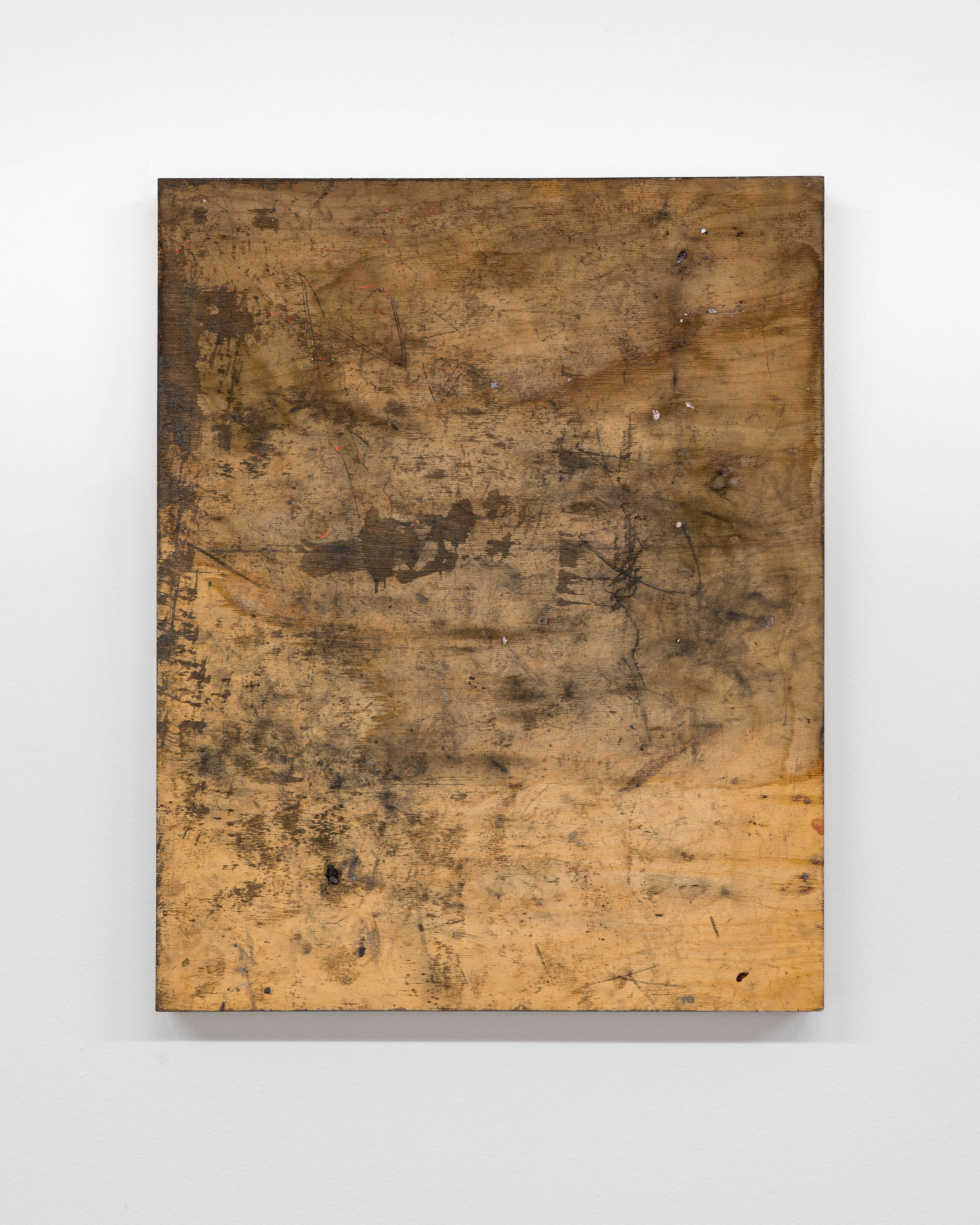
Untitled, 2026, mixed media on panel, 20 x 16 inches
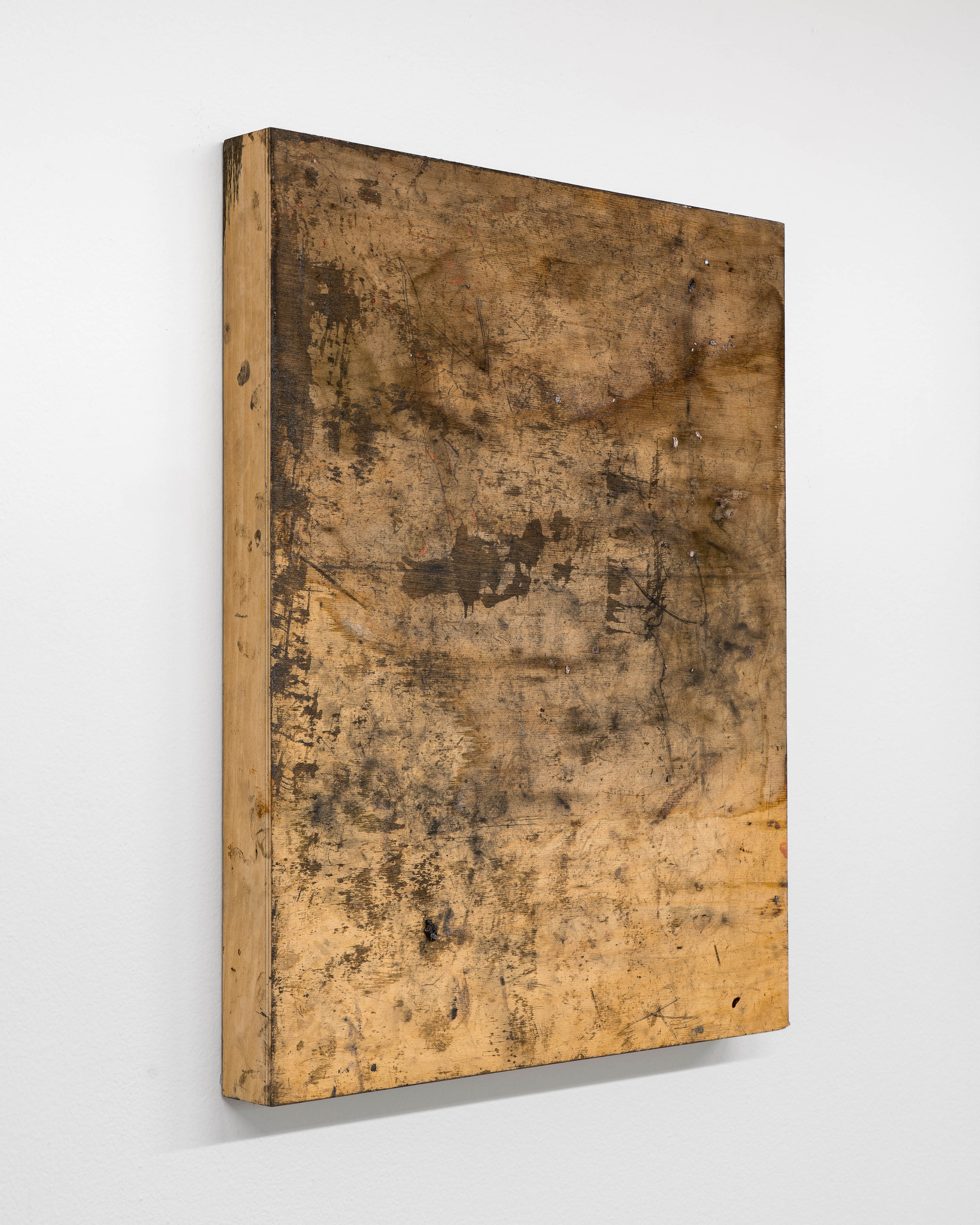
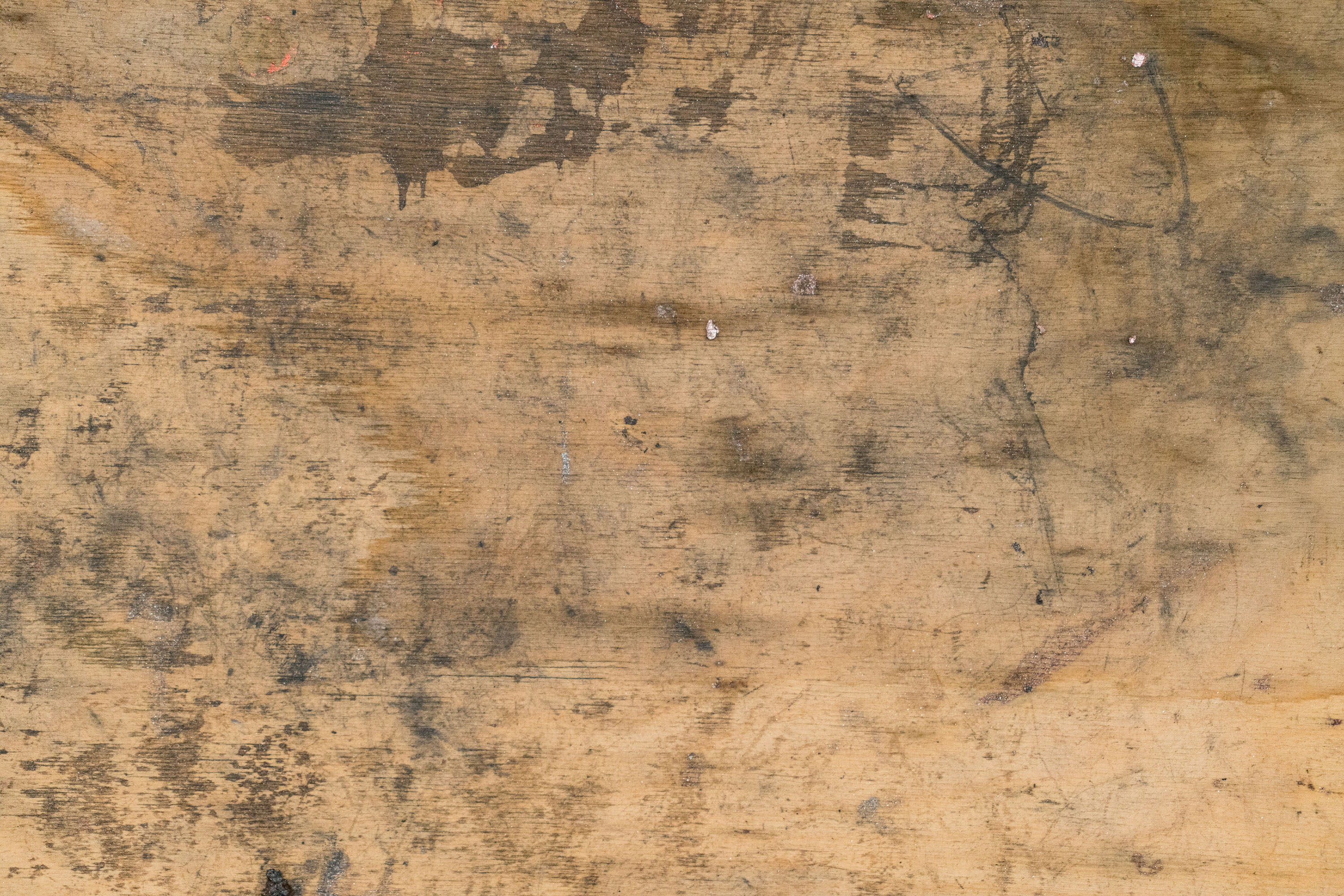
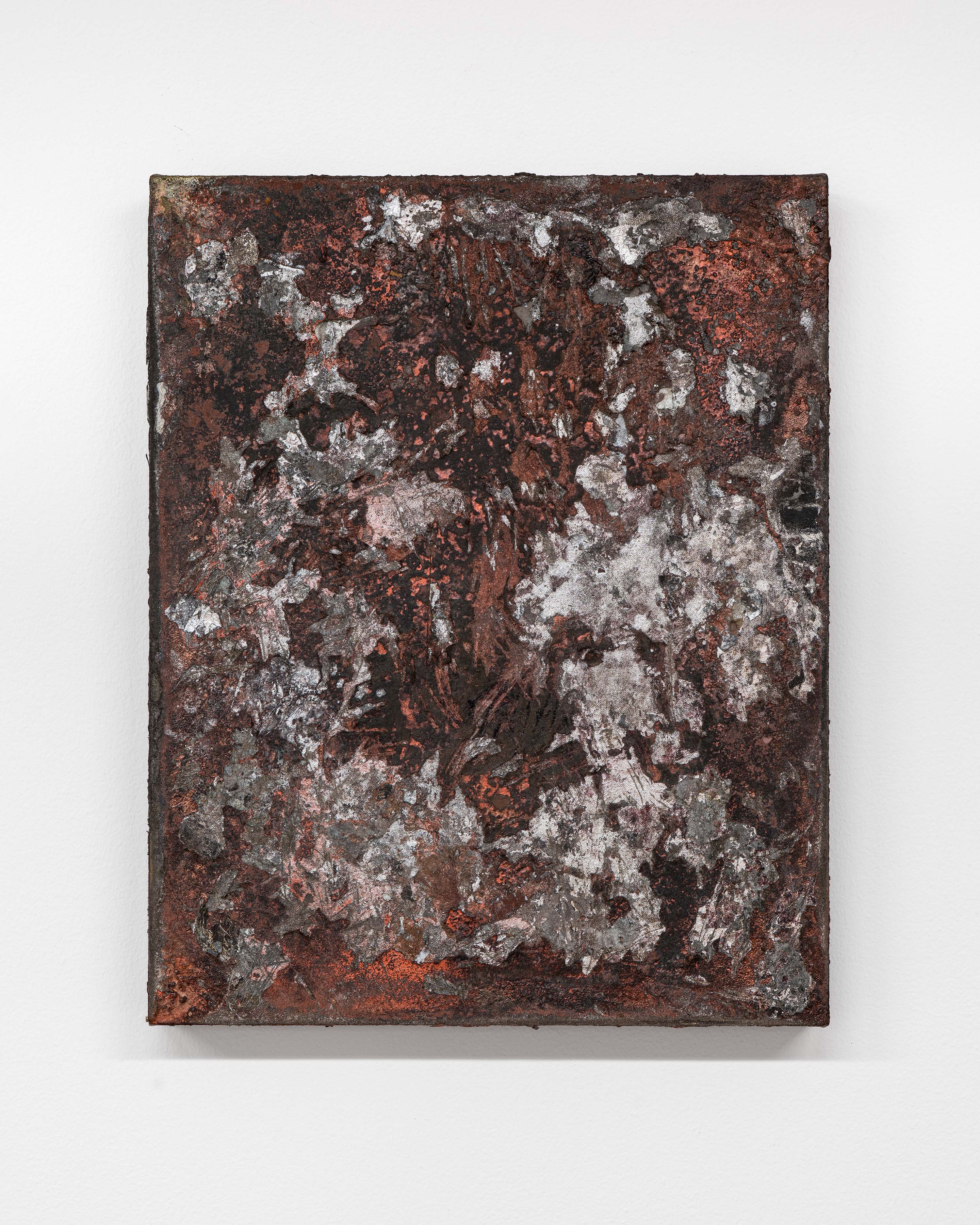
Untitled, 2026, mixed media on canvas, 20 x 16 inches
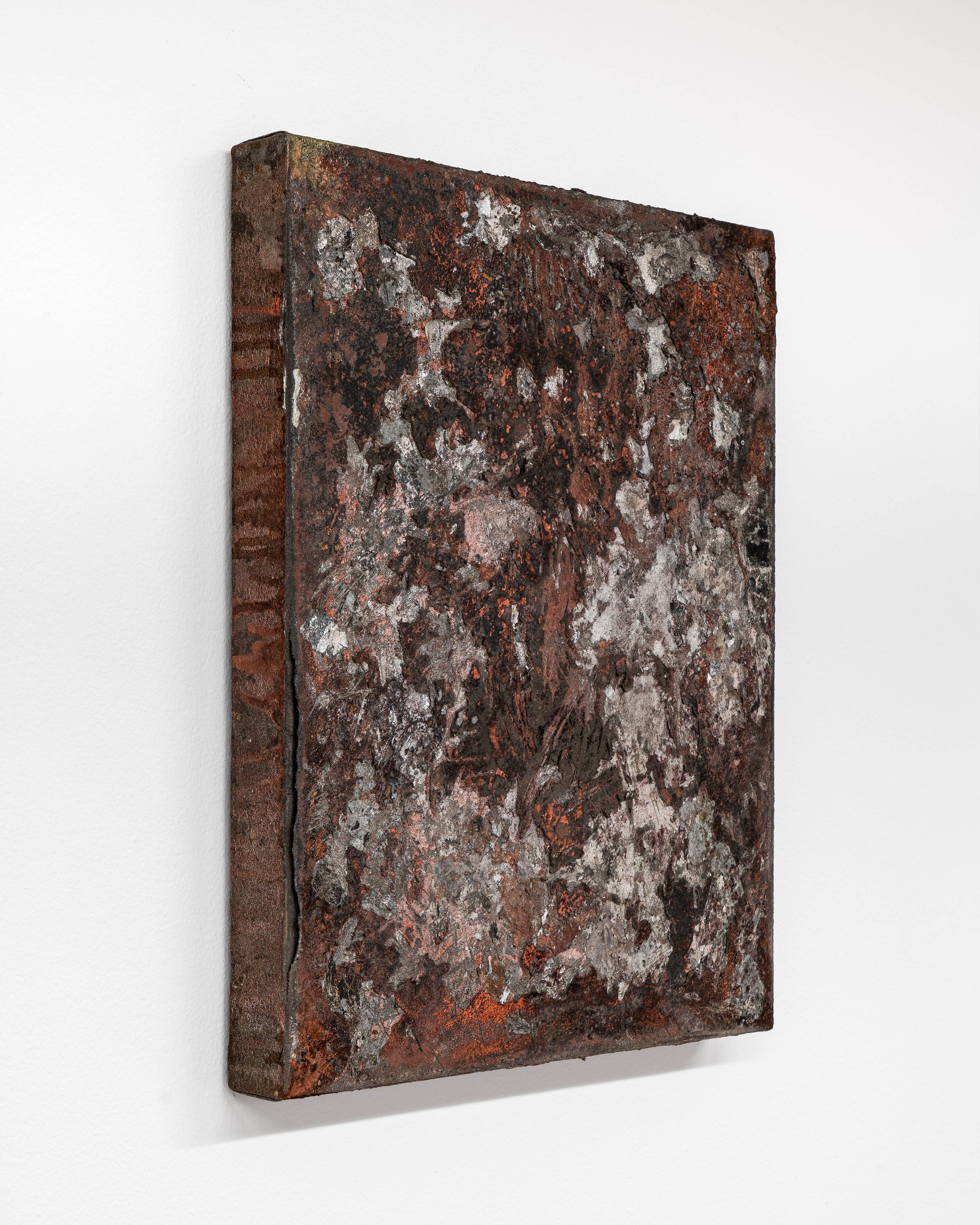
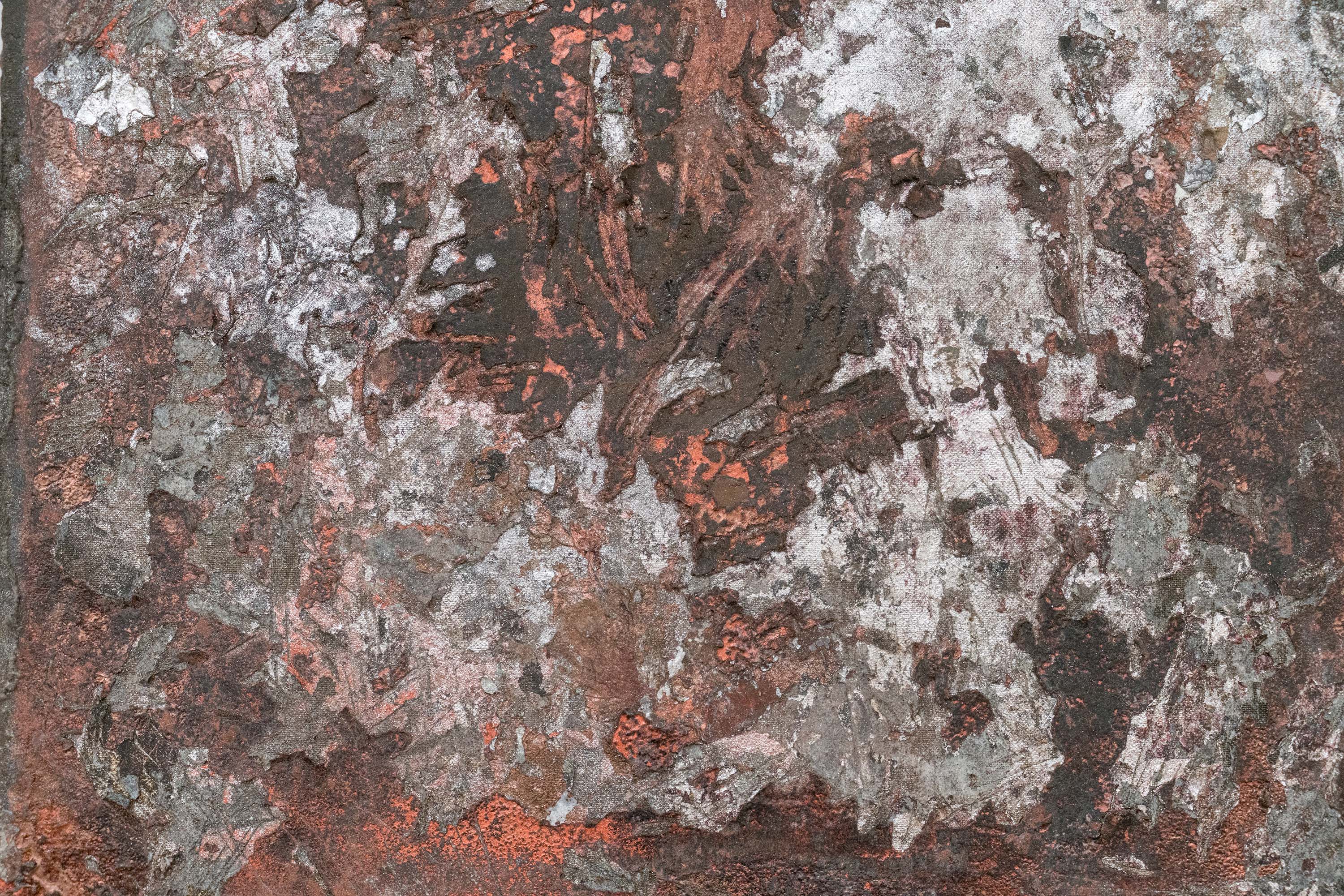
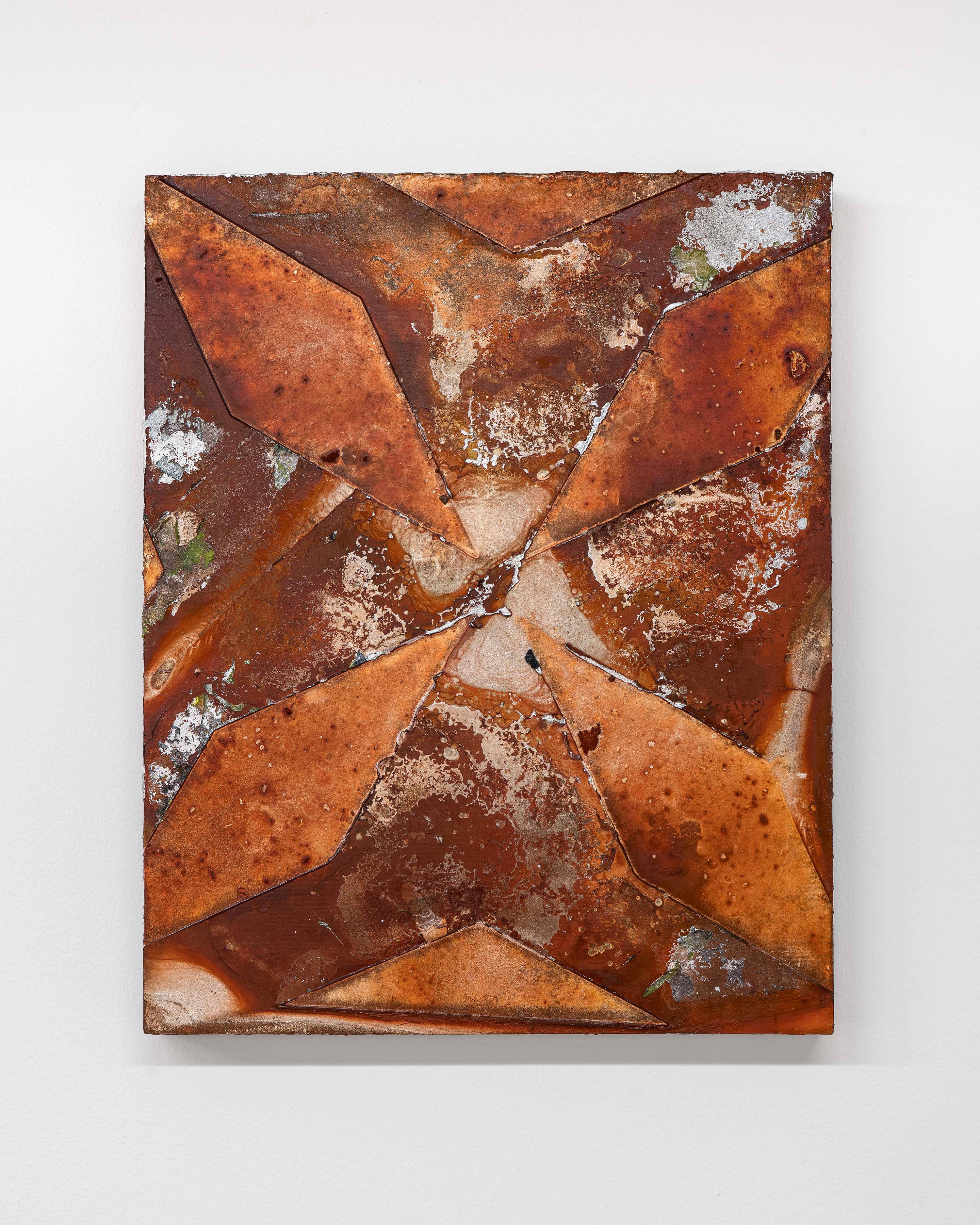
Untitled, 2026, mixed media on panel, 20 x 16 inches
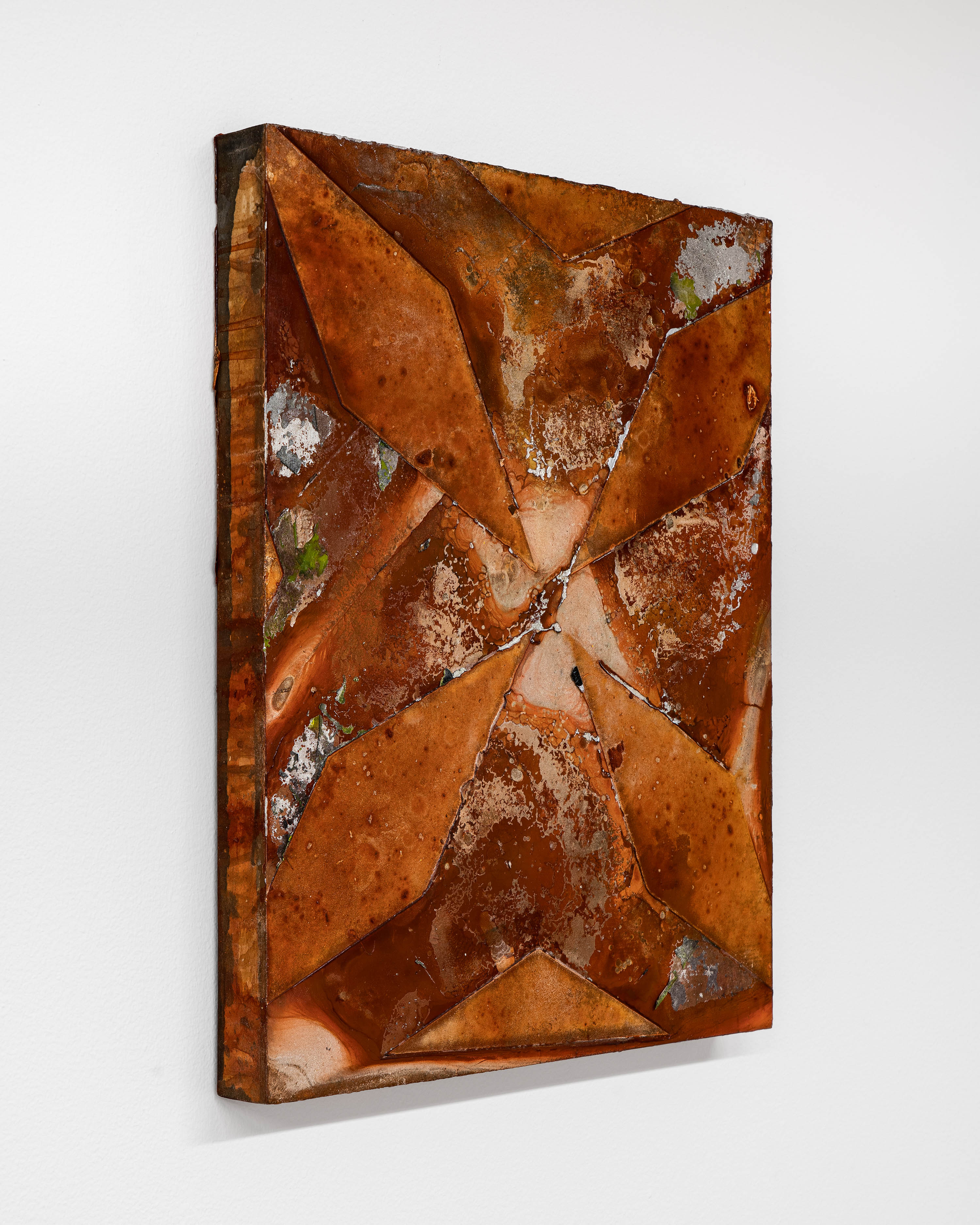
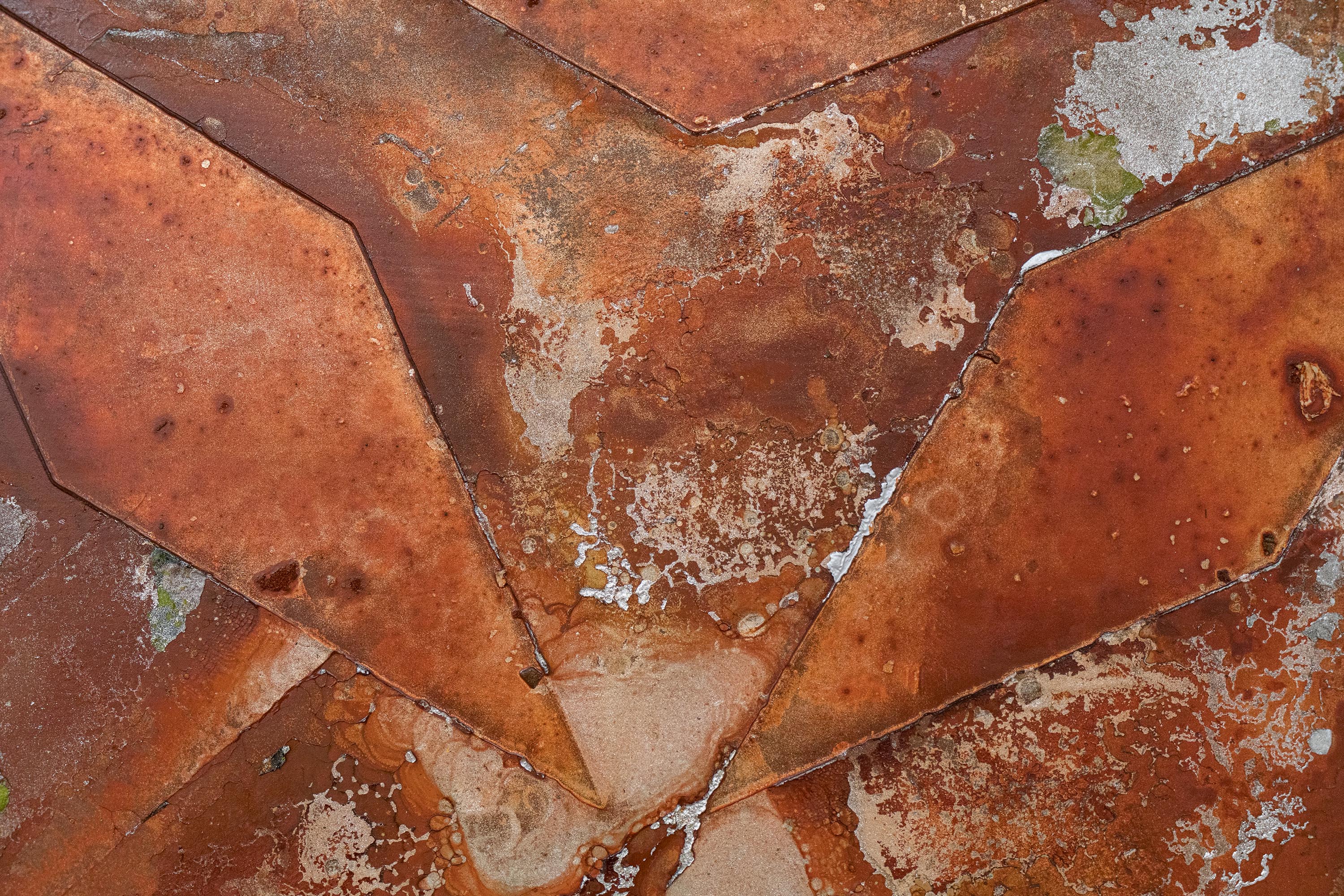
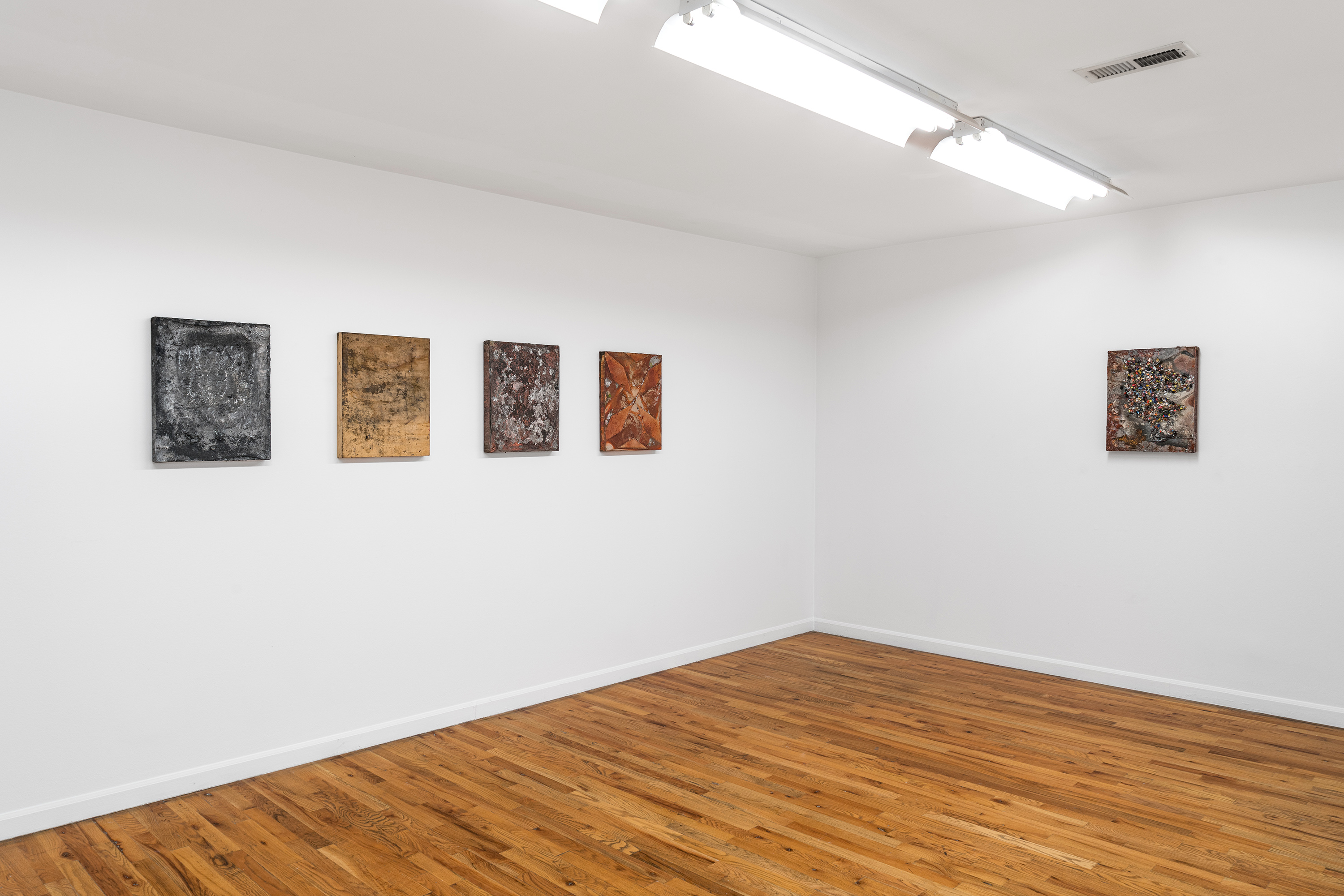
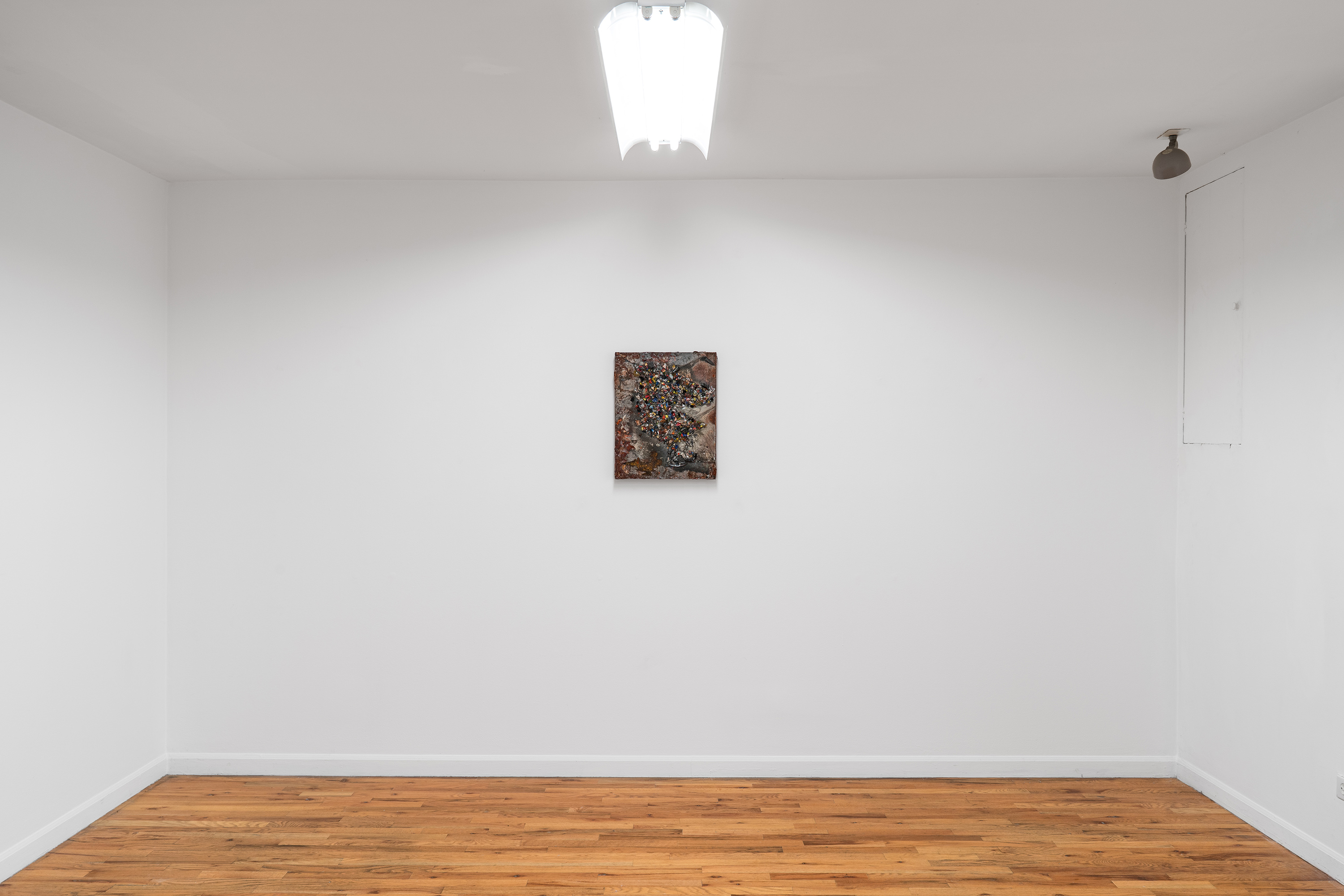
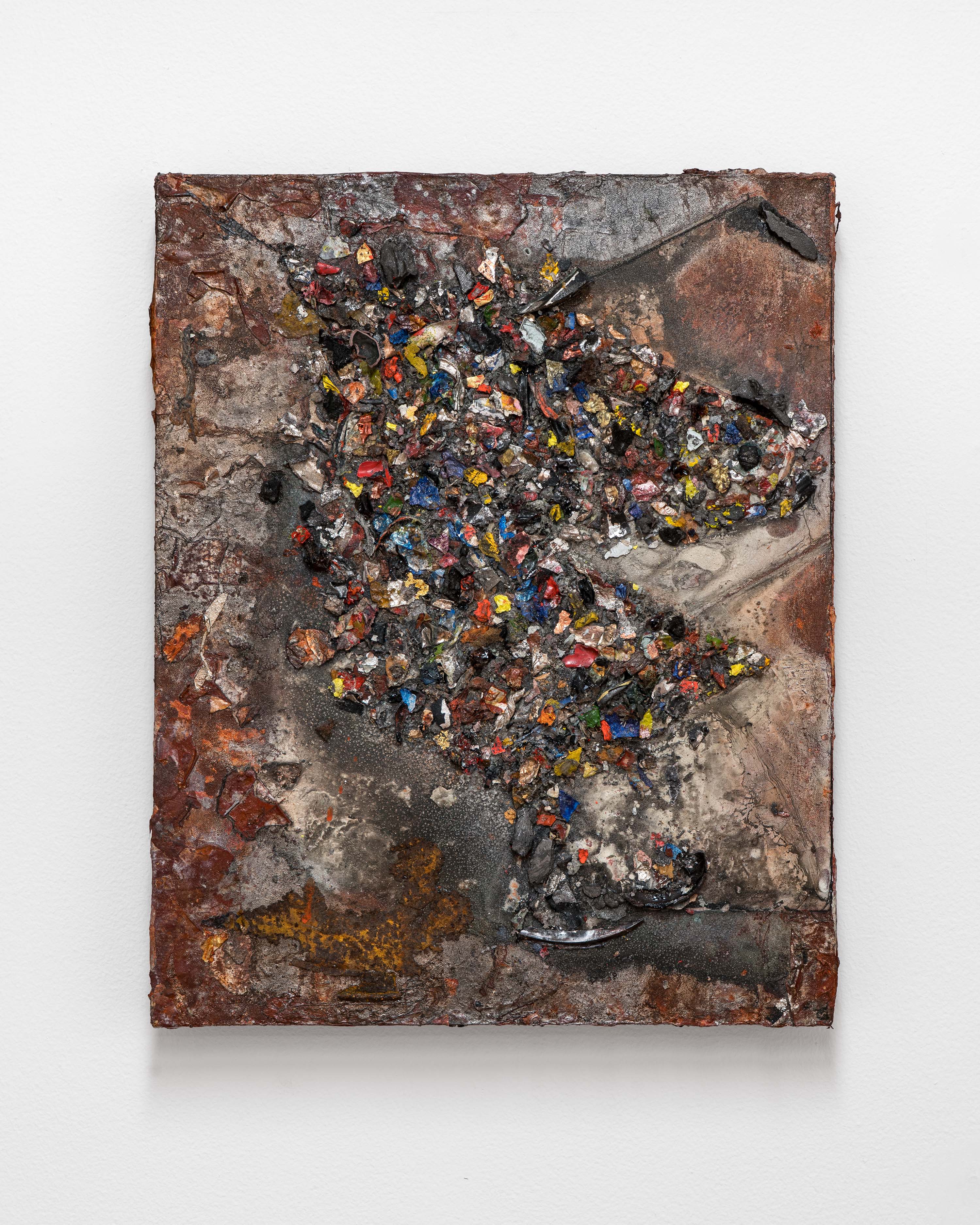
Untitled, 2026, mixed media on canvas, 20 x 16 inches